
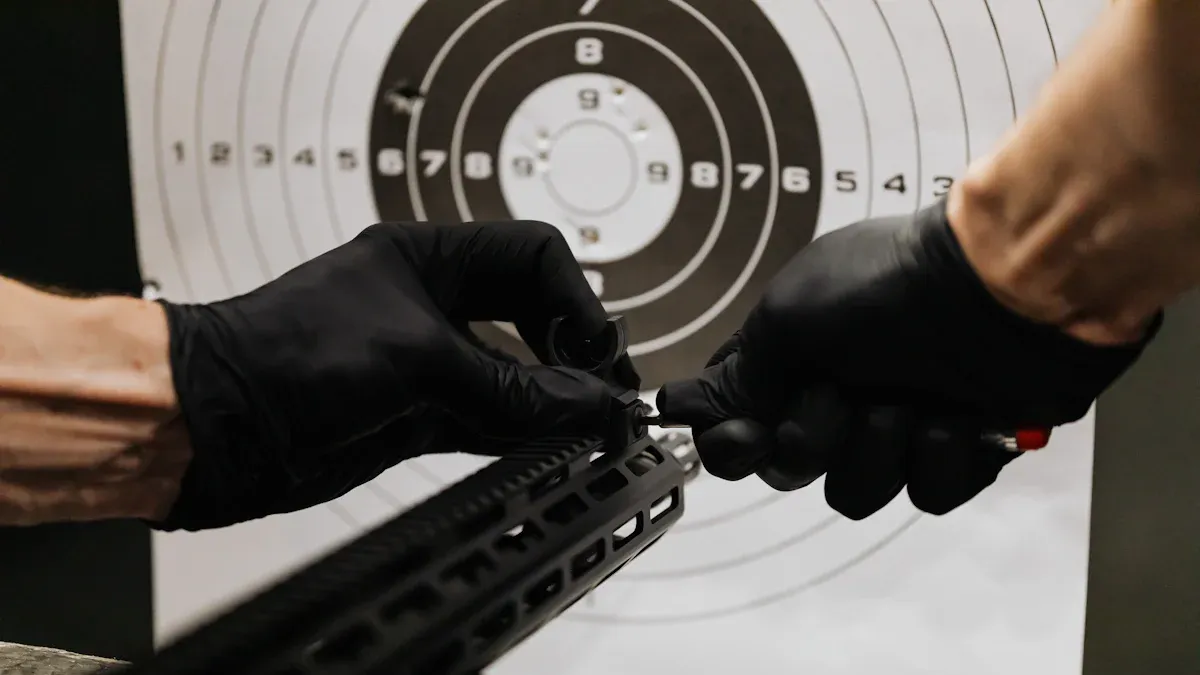
A scope ring lapping kit might seem like just another accessory for professional shooters, but it’s an essential tool for anyone looking to mount a rifle scope properly. Misaligned scope rings can twist your scope, reduce accuracy, and even harm the mount. Using a lapping kit helps smooth out uneven surfaces, ensuring your rail, scope, and scope ring remain perfectly aligned for optimal performance.
Key Takeaways
- Smoothing scope rings is important for keeping them aligned. Aligned rings stop scope damage and help you shoot better.
- A lapping kit makes your scope more stable. It removes pressure spots and helps the scope fit well, keeping it steady.
- Check and clean your scope rings often to keep them aligned. Use a soft cloth to keep them in good shape.
Why Lapping Scope Rings is Essential
The role of scope rings in maintaining alignment
Scope rings act as the guardians of a rifle scope’s alignment. They hold the scope securely in place, ensuring it stays parallel to the rifle barrel. Without proper alignment, even the most advanced optics can fail to deliver accurate results. Think of scope rings as the foundation of a house—if the base isn’t level, everything built on top will suffer.
Over time, even high-quality scope rings can shift slightly due to recoil, environmental factors, or wear and tear. A study revealed that misalignment of up to 1mm along the vertical axis can occur after years of use. This small deviation might seem insignificant, but it can drastically affect long-range accuracy. Lapping ensures the rings remain circular and aligned, providing a stable base for the scope to perform at its best.
Problems caused by uneven or misaligned scope rings
Misaligned scope rings are like a bad haircut—annoying and hard to ignore. They can twist the scope tube, creating uneven pressure points that damage the internal components. In extreme cases, misalignment can crack the scope’s glass or scratch its surface.
A technical report highlighted that nearly half of the tested transition disks showed signs of misalignment. This issue isn’t rare; it’s a common headache for shooters. Misaligned rings can cause the scope to lose zero, making it impossible to hit targets consistently. For hunters or competitive shooters, this can mean missed opportunities or lost matches.
How lapping enhances accuracy and prevents damage
Lapping is the superhero of scope ring maintenance. It smooths out imperfections in the rings, ensuring they make full contact with the scope tube. This process eliminates stress points that could harm the scope or affect its performance.
By relieving excess pressure from uneven rings, lapping improves the scope’s stability and holding power. Shooters often report enhanced accuracy and better zero retention after lapping their rings. The benefits don’t stop there—lapping prevents scratches and binding, allowing the scope to fit snugly and perform consistently.
In technical reports, users noted that properly lapped rings protect the scope tube from damage and improve alignment. The process ensures the scope stays steady, even under heavy recoil. For anyone serious about precision shooting, lapping isn’t just a recommendation—it’s a necessity.
Tools and Materials for Lapping Scope Rings
Key components of a scope ring lapping kit
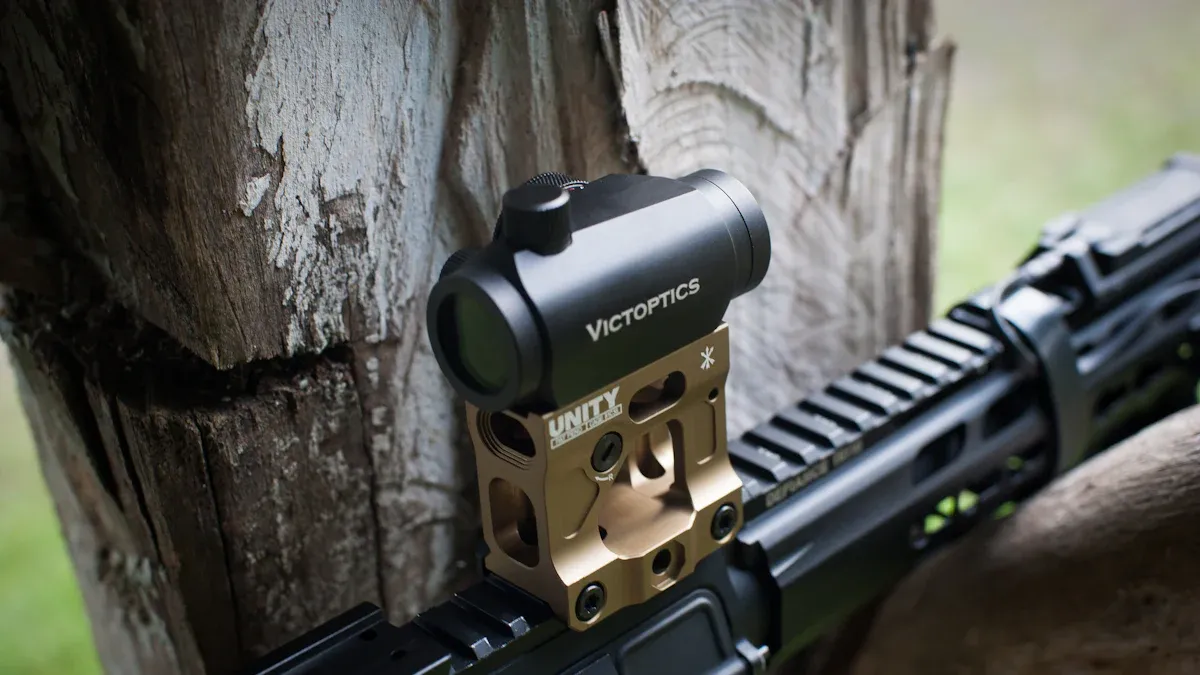
A scope ring lapping kit is like a toolbox for precision shooters. It contains everything needed to ensure your scope rings are perfectly aligned. The key components include:
| Component | Description |
|---|---|
| Lapping Tool | Professional tool for increasing surface contact of the sight tube to the 30mm ring. |
| Steel Alignment Pins | Two pins included for checking ring alignment. |
| Solid Steel Lapping Bar | Designed for long-lasting performance. |
| Purpose | Improves ring surface contact with the scope tube for better gripping power and accuracy. |
These tools work together to smooth out imperfections in the rings, ensuring the scope tube fits snugly. The lapping bar, for instance, is the hero of the kit, designed to last through countless uses. Shooters often rely on these components to achieve better accuracy and protect their scopes from damage.
Additional tools and materials you’ll need
While the lapping kit covers the basics, a few extra tools can make the process smoother. Here’s what you’ll need:
- A sturdy vise to hold the rifle securely.
- A torque wrench for precise tightening of screws.
- Cleaning supplies like a microfiber cloth and solvent to remove lapping compound residue.
Pro Tip: Always use a torque wrench to avoid over-tightening, which can damage the scope or rings.
Lapping scope rings not only improves alignment but also reduces stress on the scope. This process protects the scope from damage caused by uneven pressure points and ensures more accurate adjustments.
Beginner-friendly lapping kits to consider
For those new to lapping, choosing the right kit can feel overwhelming. Some kits, like the Wheeler Engineering Scope Ring Alignment and Lapping Kit, are perfect for beginners. They include all the essentials and come with clear instructions. However, not all rings require lapping. For example, Warne Maxima rings are designed to provide excellent initial contact and don’t need lapping.
When selecting a kit, consider the type of scope rings you’re using. Vertically split rings, like Warne’s, aren’t suitable for lapping. Stick to horizontally split rings for the best results.
Step-by-Step Guide to Lapping Scope Rings
Preparing your workspace and securing the rifle
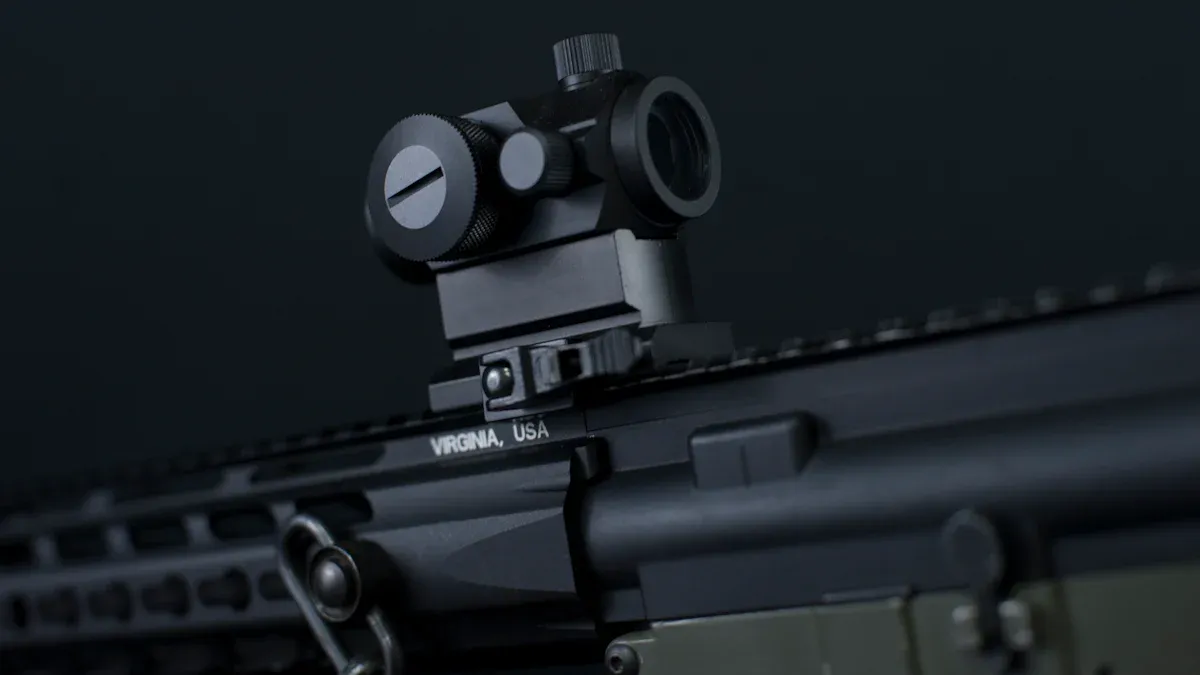
A clutter-free workspace is the first step to success. Choose a well-lit area with enough room to maneuver tools and parts. A sturdy bench or table works best. Place a soft mat or towel on the surface to protect the rifle from scratches.
Securing the rifle is crucial. Use a gun vise or a similar tool to hold it steady. This prevents movement during the lapping process. If a vise isn’t available, sandbags or foam blocks can provide temporary stability. Always ensure the rifle is unloaded before starting. Safety first!
Pro Tip: Double-check the rifle’s stability by gently nudging it. If it wobbles, adjust the vise or support until it’s rock solid.
Inspecting and disassembling the scope rings
Before diving into lapping, inspect the scope rings for visible imperfections. Look for uneven surfaces, burrs, or scratches. These flaws can affect the alignment and grip on the scope tube.
Disassemble the scope rings by loosening the screws with an Allen wrench or screwdriver. Keep the screws and parts organized in a small container to avoid losing them. Remove the top halves of the rings and set them aside. Leave the bottom halves attached to the rifle for now.
Case Example: A shooter once found a tiny metal burr inside a scope ring. It caused the scope to shift slightly with each shot. Lapping removed the burr, restoring accuracy.
Applying the lapping compound correctly
The lapping compound is the magic ingredient in this process. It’s a gritty paste that smooths out imperfections. Apply a thin, even layer of the compound to the inner surfaces of the bottom scope rings. Use a small brush or your finger for precision.
Avoid overloading the rings with compound. Too much can create a mess and make cleaning harder later. A pea-sized amount per ring is usually enough.
Note: Wear gloves when handling the lapping compound. It can be abrasive to the skin.
Using the lapping bar to smooth the rings
Insert the lapping bar into the bottom scope rings. Hold the bar firmly and move it back and forth in a straight line. Apply light pressure to ensure even contact. The goal is to smooth out high spots without removing too much material.
Check your progress every few minutes. Remove the bar and wipe away the compound to inspect the rings. A properly lapped ring will show a uniform, shiny surface. Repeat the process until you achieve this result.
Real-Life Tip: A competitive shooter reported improved accuracy after spending just 15 minutes lapping his scope rings. Patience pays off!
Cleaning and reassembling the scope rings
Once the lapping is complete, clean the rings thoroughly. Use a microfiber cloth and solvent to remove all traces of the compound. Any leftover grit can damage the scope tube.
Reassemble the scope rings by placing the top halves back on and loosely tightening the screws. Don’t fully tighten them yet. This step ensures the scope can still be adjusted for alignment.
Pro Tip: Label the rings during disassembly to ensure they go back in the same position. This maintains consistency.
Testing the alignment and ensuring a proper fit
Place the scope tube into the rings and check its alignment. Use alignment pins or a bubble level to confirm everything is straight. Adjust the scope’s position as needed.
Once satisfied, tighten the screws evenly using a torque wrench. Follow the manufacturer’s recommended torque settings to avoid over-tightening. Test the scope’s fit by gently rotating it. It should move smoothly without binding.
Case Example: A hunter noticed his scope stayed perfectly zeroed after lapping and aligning the rings. His shots were spot-on during a week-long trip in rugged terrain.
Lapping scope rings transforms shooting accuracy and scope durability. It eliminates misalignment, reduces stress points, and protects the scope from damage. Shooters often report tighter groups and improved zero retention after lapping.
Pro Tip: Regularly inspect scope rings for wear and clean them to maintain alignment. A microfiber cloth works wonders!
Beginners should dive in with confidence. A hunter once shared how lapping saved his scope during a rugged mountain trip. His shots hit true every time. With patience and the right tools, anyone can master this skill.
FAQ
What happens if scope rings aren’t lapped?
Misaligned rings can twist the scope tube, causing accuracy issues and potential damage. A hunter once missed a trophy buck due to an unaligned scope.
Can beginners lap scope rings without professional help?
Absolutely! Many first-timers succeed with beginner-friendly kits like Wheeler Engineering. One shooter improved his accuracy after following simple instructions from the kit.
How often should scope rings be inspected after lapping?
Inspect them annually or after heavy use. A competitive shooter found misalignment after a season of intense matches, saving his scope from damage with timely maintenance.
Post time: May-06-2025