
Proper installation of scope rings ensures the safety of your optic and maintains shooting precision. Missteps during mounting can lead to costly damage or compromised accuracy. By following proven techniques and using the right tools, shooters can protect their equipment and achieve consistent results in the field.
Key Takeaways
- Use a torque wrench to tighten screws as instructed. This stops over-tightening and keeps everything stable.
- Clean and check all parts before putting them together. This avoids dirt or dust messing up the connection.
- Make sure your scope, rings, and firearm match. Proper fit saves time and prevents expensive errors.
Tools You Need for Mounting Scope Rings
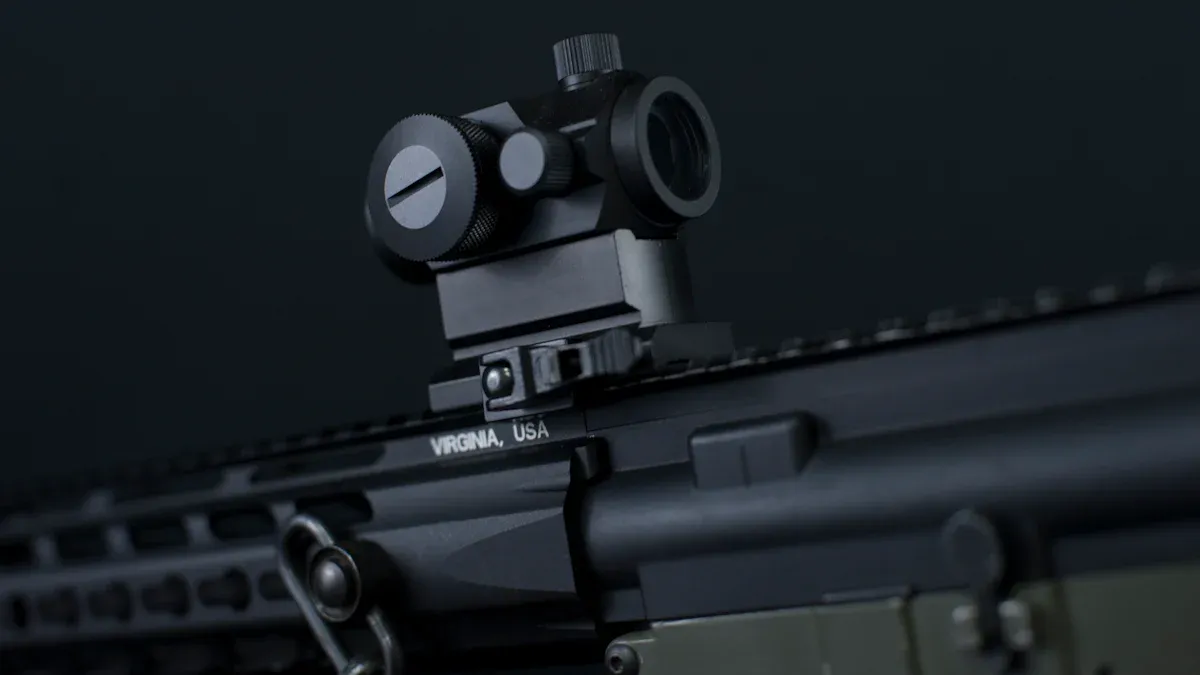
Mounting scope rings requires precision and the right tools to ensure a secure and damage-free installation. Each tool plays a critical role in achieving optimal alignment and stability for your optic.
Torque wrench for precise tightening
A torque wrench is indispensable for tightening screws to the manufacturer’s recommended specifications. Over-tightening can damage the scope or rings, while under-tightening may lead to instability. Using a torque wrench ensures consistent pressure across all screws, reducing the risk of stripped threads or uneven clamping. Models with adjustable settings provide flexibility for different setups.
Bubble level for reticle alignment
A bubble level helps align the reticle perfectly with the firearm. Misaligned reticles can cause accuracy issues, especially at longer distances. Placing the level on the scope ensures the optic remains horizontal during installation. Compact bubble levels are ideal for portability and ease of use.
Cleaning supplies for surface preparation
Dust, oil, and debris can interfere with the secure mounting of scope rings. Cleaning supplies such as microfiber cloths, alcohol wipes, and brushes remove contaminants from the firearm and rings. Proper cleaning prevents slippage and ensures a solid connection between components.
Screwdriver set for scope ring screws
A high-quality screwdriver set is essential for handling scope ring screws. Precision screwdrivers with magnetic tips make installation easier and prevent screws from falling during assembly. Sets with multiple sizes accommodate various screw types, ensuring compatibility with different scope rings.
Blue thread locker for added screw security
Blue thread locker provides additional security by preventing screws from loosening due to recoil or vibration. Unlike permanent thread lockers, blue variants allow screws to be removed without excessive force. Applying a small amount to each screw enhances stability without compromising future adjustments.
Pro Tip: Investing in reliable tools can save time and prevent costly mistakes during installation. For example, Seekins Precision Scope Rings feature robust T-25 hardware for secure mounting, while Warne Mountain Tech Rings offer easy deployment and removal. Browning X-Bolt Integrated Scope Mount System minimizes misalignment with its elegant one-piece design.
| Product Name | Pros | Cons | Key Features |
|---|---|---|---|
| Seekins Precision Scope Rings | Snag-free mounting design, Liberal clamping surface, Extremely strong T-25 hardware | Fairly wide rings | Weight: 4.1 ounces, Material: 7075-T6 aluminum, Tube Diameters: 1 inch, 30mm, 34mm, 35mm |
| Warne Mountain Tech Rings | Reliable, hard-working, easy to deploy and remove | N/A | Weight: 3.9 ounces, Material: 7075 aluminum, Fits: Weaver-style bases and Picatinny rails |
| Browning X-Bolt Integrated Scope Mount System | Elegant one-piece design, Minimizes misalignment | Fits only X-Bolt rifles | Weight: 6.4 ounces, Material: 7000-series aluminum, Attaches directly to receiver of X-Bolt rifles |
Preparing for a Damage-Free Installation
Clean and inspect all components
Thorough cleaning and inspection of all components prevent issues during installation. Dust, oil, and debris can compromise the connection between scope rings and the firearm. Using alcohol wipes or microfiber cloths removes contaminants effectively. Inspect the scope rings for any signs of wear or damage. Scratches, dents, or uneven surfaces may affect stability. Ensuring clean and intact components creates a solid foundation for mounting.
Verify compatibility of scope, rings, and firearm
Compatibility between the scope, rings, and firearm is essential for a secure setup. Check the scope tube diameter and match it with the scope rings. Confirm that the rings fit the firearm’s mounting system, whether it uses Picatinny rails, Weaver-style bases, or proprietary designs. Misaligned or incompatible parts can lead to instability and accuracy issues. Verifying these details before installation saves time and prevents costly mistakes.
Determine the correct ring height for your setup
Choosing the correct ring height ensures proper alignment and comfort. Low rings work well for smaller scopes, while medium or high rings accommodate larger optics. The scope should sit close to the firearm without touching it. Proper ring height allows the shooter to maintain a natural shooting position and achieve optimal accuracy. Measuring the clearance between the scope and barrel helps determine the ideal height.
Plan for optimal eye relief and reticle alignment
Positioning the scope for optimal eye relief enhances comfort and performance. Eye relief refers to the distance between the shooter’s eye and the scope’s eyepiece. Adjusting this distance prevents strain and ensures a full field of view. Aligning the reticle with the firearm is equally important. Using a bubble level during this step guarantees horizontal alignment, reducing the risk of accuracy errors during use.
Step-by-Step Process for Mounting Scope Rings
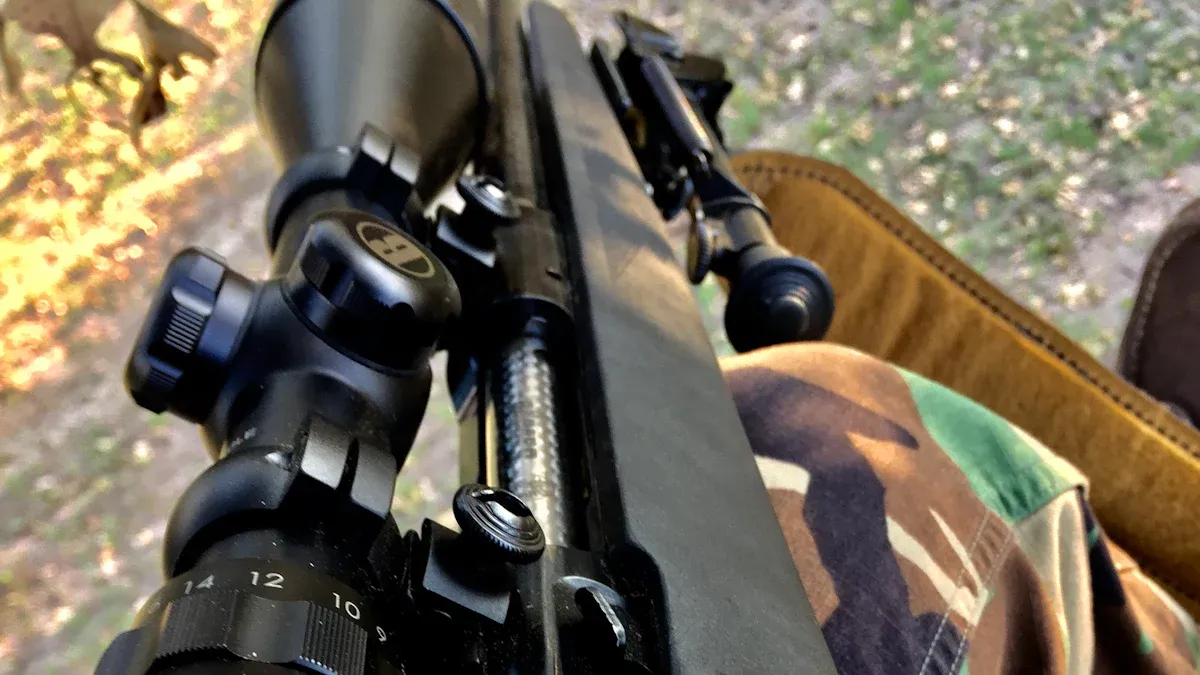
Secure the bottom rings to the firearm
Begin by stabilizing the firearm in a gun cradle or padded vise. This setup prevents movement during installation, ensuring precision. Once the firearm is secure, attach the bottom halves of the scope rings to the mounting base. Apply a light coat of oil to the screws to prevent corrosion and ensure smooth tightening. Use a screwdriver or torque wrench to tighten the screws incrementally, following the manufacturer’s recommended torque value, typically between 35-45 inch-pounds. This step creates a stable foundation for the optic.
Pro Tip: Always alternate between screws in a crisscross pattern when tightening. This method ensures even pressure distribution and prevents misalignment.
Position the scope and adjust for eye relief
Place the scope gently into the bottom rings without securing the top halves. Slide the optic forward or backward to achieve optimal eye relief. To determine the correct position, assume a natural shooting stance and check the sight picture. The full field of view should be visible without straining your neck or eyes. Adjust the scope until the sight picture is clear and comfortable. Avoid over-tightening at this stage, as further adjustments may be necessary.
Level the reticle using a bubble level
Aligning the reticle is critical for accuracy, especially at long distances. Place a bubble level on the firearm’s action to ensure it is perfectly horizontal. Then, position another bubble level on the scope’s elevation turret. Adjust the scope until both levels indicate alignment. This process ensures the reticle remains level with the firearm, reducing the risk of canting errors during shooting.
Note: A misaligned reticle can cause significant accuracy issues, particularly when compensating for windage or elevation. Take your time to achieve precise alignment.
Attach the top rings and tighten screws evenly
Once the reticle is level, attach the top halves of the scope rings. Start by lightly threading the screws to hold the optic in place. Gradually tighten the screws in a crisscross pattern, alternating between opposite sides. This method ensures even pressure and prevents the scope from shifting. Avoid fully tightening any screw until all are evenly snug. This step secures the optic without risking damage to the tube.
Use a torque wrench to tighten screws to specifications
Finally, use a torque wrench to tighten the screws to the manufacturer’s recommended specifications, typically between 15-18 inch-pounds for scope rings. Tighten incrementally, alternating between screws to maintain even pressure. Over-tightening can damage the optic or rings, while under-tightening may lead to instability. A torque wrench ensures precise and consistent tightening, preserving the integrity of the setup.
Expert Insight: Research highlights the importance of systematic tightening to avoid micro shifts in the rifle’s zero. Incremental adjustments with a torque wrench ensure maximum stability and accuracy.
Troubleshooting Scope Ring Installation Issues
Correcting misaligned reticles
A misaligned reticle can significantly impact shooting accuracy, especially at longer ranges. To correct this issue, the shooter should first ensure the firearm is stable in a gun cradle or vise. Using a bubble level, they must verify that the firearm’s action is perfectly horizontal. Next, they should place another bubble level on the scope’s elevation turret to check its alignment. If the reticle is tilted, loosening the top ring screws slightly will allow for adjustments. The scope can then be rotated until the bubble levels indicate proper alignment. Once aligned, the screws should be tightened evenly using a torque wrench to maintain the reticle’s position.
Pro Tip: Always recheck alignment after tightening the screws. Even minor shifts can affect accuracy.
Fixing overtightened or stripped screws
Overtightened screws can damage the scope or rings, while stripped screws may compromise the entire setup. To address overtightening, the shooter should carefully loosen the screws using the appropriate screwdriver or bit. If a screw is stripped, it may require extraction using a screw extractor tool. Replacing damaged screws with high-quality replacements ensures long-term reliability. Applying a small amount of blue thread locker to the new screws can prevent future loosening without risking overtightening.
Note: Avoid using excessive force when tightening screws. A torque wrench ensures precise pressure and prevents damage.
Ensuring the scope remains secure after installation
A secure scope is essential for maintaining accuracy during use. To ensure stability, the shooter should periodically inspect the screws for tightness, especially after firing multiple rounds. Recoil and vibration can loosen screws over time. Applying blue thread locker during installation adds an extra layer of security. Additionally, verifying that the scope rings and base are compatible with the firearm reduces the risk of movement. Regular maintenance and checks will keep the optic firmly in place.
Reminder: Consistent inspections and proper torque settings are key to a reliable and secure setup.
Properly mounting scope rings ensures long-term optic accuracy and shooting consistency. A secure setup minimizes common issues like misalignment or instability.
- Improper mounting often leads to shooting errors and frustration.
- Correct installation allows shooters to focus on performance rather than equipment issues.
Take time to prepare, use the right tools, and follow these expert tips for a reliable setup.
FAQ
How tight should scope ring screws be?
Scope ring screws should be tightened to the manufacturer’s recommended torque, typically 15-18 inch-pounds. Use a torque wrench for precise tightening to avoid damage or instability.
Can I reuse scope rings on a different firearm?
Yes, scope rings can be reused if they remain undamaged. Ensure compatibility with the new firearm’s mounting system and verify proper alignment before installation.
What should I do if my scope keeps shifting after installation?
Inspect screws for tightness and apply blue thread locker. Verify compatibility between scope rings and the firearm. Regularly check for movement after firing multiple rounds.
Post time: May-06-2025