
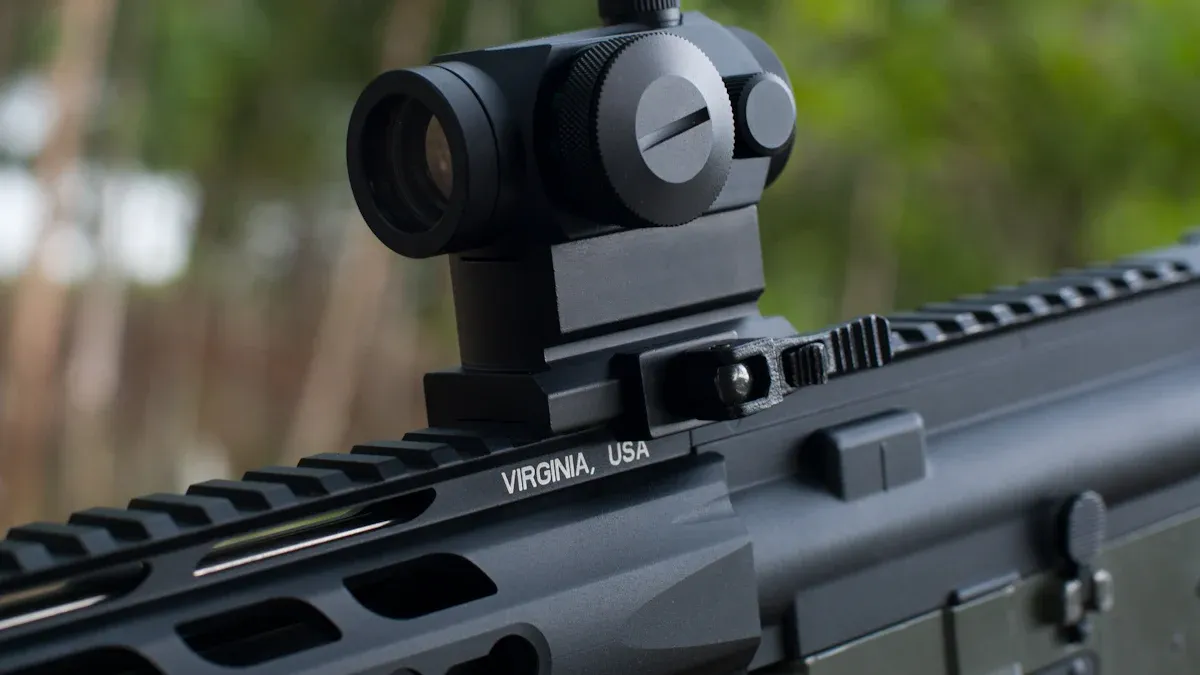
Red dot sights function as non-magnifying reflector sights, providing an illuminated aiming point for shooters. Their mechanism involves an LED projecting a red dot onto a spherical mirror, ensuring precise alignment. These sights improve target acquisition and accuracy. Studies reveal elite officers achieve a 74.6% hit rate, significantly outperforming rookies at 53.8%.
Key Takeaways
- Red dot sights help you aim faster, making it easier to hit targets quickly, especially in fast-moving situations.
- These sights make aiming better for everyone. Beginners can focus on the target, and skilled shooters get more precise shots.
- Taking care of and aligning red dot sights is important. This keeps them working well and dependable when needed.
Benefits of Red Dot Sights
Faster Target Acquisition
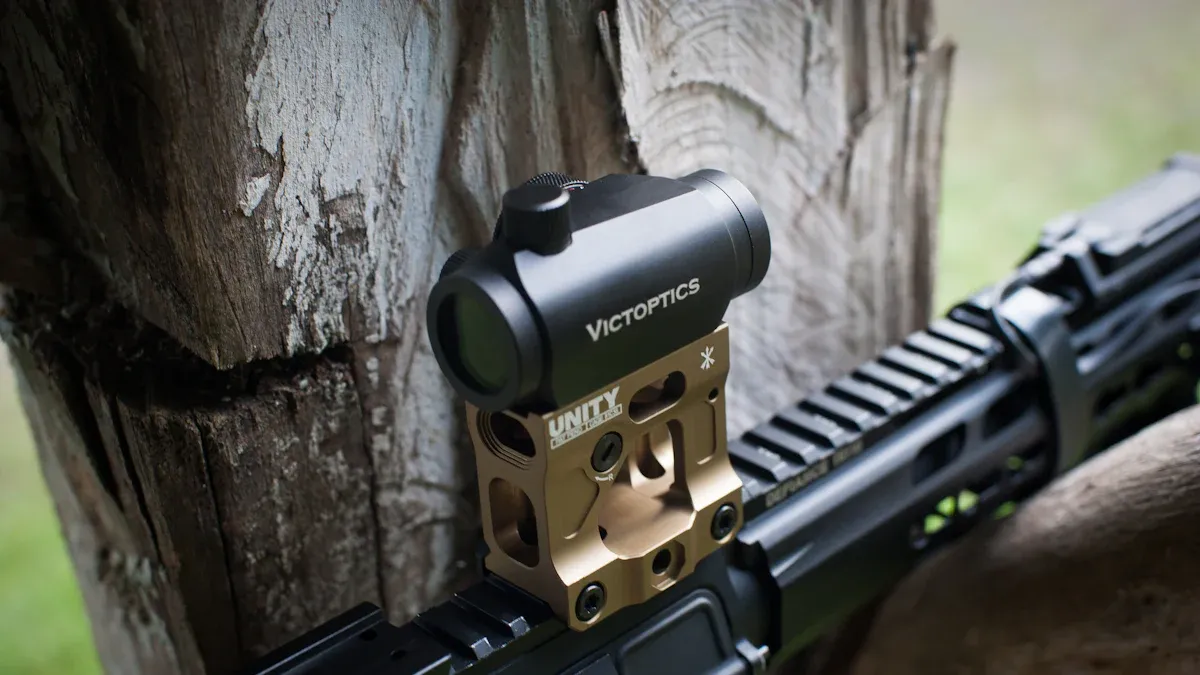
Red dot sights significantly enhance target acquisition speed. Unlike traditional iron sights, which require aligning the front and rear sights, red dot sights allow shooters to focus directly on the target. This streamlined process eliminates unnecessary steps, making it easier to engage targets quickly.
Tip: Faster target acquisition is especially valuable in dynamic situations, such as self-defense or competitive shooting, where every fraction of a second matters.
Studies have shown that red dot sights provide a measurable advantage in target engagement times:
- Shooters can engage moving or multiple targets more efficiently.
- The simplicity of the aiming process reduces the time needed to take each shot.
- In low-light conditions, red dot sights improve acquisition times compared to traditional sights.
These benefits make red dot sights a preferred choice for both novice and experienced shooters.
Improved Accuracy Across Skill Levels
Red dot sights improve accuracy for shooters of all experience levels. For beginners, they simplify the aiming process, allowing them to focus on the target rather than aligning multiple sights. Experienced shooters benefit from the precision offered by the illuminated reticle, which enhances performance at longer ranges.
A study by James E. Ryan and Robin Adler demonstrated the impact of red dot sights on accuracy. The study involved 27 participants comparing red dot sights to iron sights. The results showed a statistically significant improvement in hit ratios for new shooters using red dot sights.
| Study Authors | Participants | Sights Used | Key Findings |
|---|---|---|---|
| James E. Ryan & Robin Adler | 27 students | Red dot vs Iron | Statistically significant higher hit ratio and accuracy for new shooters using red dot sights. |
Additionally, red dot sights help shooters with vision issues by allowing them to focus on the target rather than the front sight. This feature ensures consistent accuracy across various scenarios.
Simplified Aiming Process
The design of red dot sights simplifies the aiming process, making them user-friendly for all skill levels. Traditional iron sights require aligning the front and rear sights while focusing on the target. In contrast, red dot sights project a single illuminated dot onto the target, eliminating the need for alignment.
Note: The simplicity of red dot sights is often highlighted by new users, who find them easier to use than traditional sights.
This straightforward design reduces the cognitive load on the shooter, allowing them to concentrate on their surroundings and the target. The following advantages further illustrate the benefits of a simplified aiming process:
- Red dot sights eliminate the need to align multiple sights.
- Shooters can focus entirely on the target, improving situational awareness.
- The illuminated reticle remains visible in various lighting conditions, ensuring consistent performance.
By simplifying the aiming process, red dot sights enhance both speed and accuracy, making them an invaluable tool for shooters.
Limitations of Red Dot Sights
Restricted Range and Magnification
Red dot sights excel at moderate ranges but fall short for long-distance shooting. They are typically effective up to 200 yards, making them unsuitable for precision shooting at extended ranges. Unlike scopes, red dot sights lack magnification, which limits their utility in scenarios requiring detailed target identification.
Most red dot sights feature a singular reticle, often between 2 to 4 MOA (Minute of Angle). While this design simplifies aiming, it can hinder accuracy at longer distances. Shooters relying on these sights for long-range engagements may experience reduced performance due to the absence of magnification and the size of the reticle.
Battery Dependency
The reliance on batteries is another limitation of red dot sights. The illuminated reticle requires a power source, and a depleted battery can render the sight unusable. This dependency poses challenges during extended use or in situations where spare batteries are unavailable.
Shooters must regularly check battery levels and carry replacements to avoid interruptions. Without proper maintenance, the sight’s functionality can fail at critical moments, especially in high-stakes scenarios like self-defense or competitive shooting.
Potential Reticle Visibility Issues
Reticle visibility can vary depending on lighting conditions. Red dot sights perform well in low-light environments, such as dawn or twilight. However, bright daylight can make the reticle harder to see, particularly against dark targets. Shooters in shaded areas may also struggle with visibility, requiring sights with both daylight and twilight illumination settings.
Early designs of illuminated reticles caused light reflection issues, which could temporarily blind the shooter in low-light conditions. Modern advancements have mitigated this problem, but visibility challenges persist in certain scenarios. Proper training and sight adjustments can help minimize these issues.
Types of Red Dot Sights
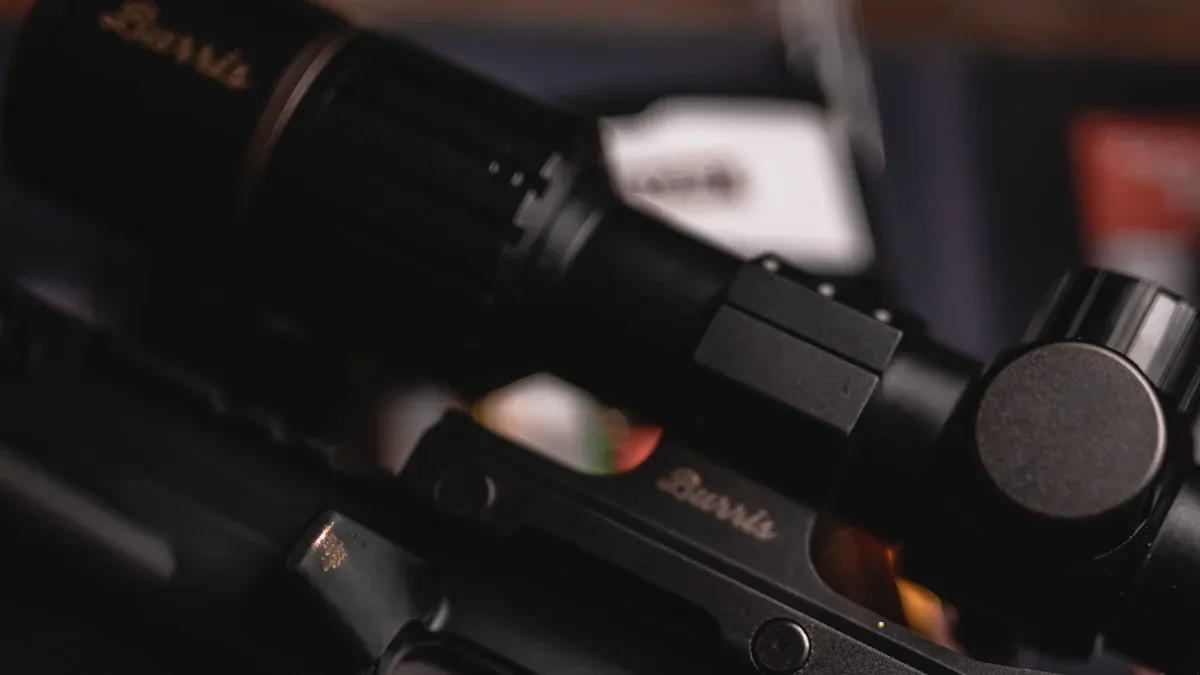
Red dot sights come in various types, each designed to cater to specific shooting needs. Understanding the differences between these types helps shooters select the most suitable option for their requirements.
Reflex Sights
Reflex sights are among the most popular red dot sights due to their simplicity and versatility. These sights use a reflective lens to project the illuminated reticle, allowing shooters to aim with both eyes open. This design enhances situational awareness and makes reflex sights ideal for dynamic shooting scenarios.
Tip: Reflex sights are lightweight and compact, making them a great choice for pistols and shotguns.
Key features of reflex sights include:
- Wide field of view: The open design provides an unobstructed view of the target area.
- Quick target acquisition: Shooters can align the reticle with the target rapidly, reducing engagement time.
- Adjustable brightness settings: These settings ensure visibility in various lighting conditions.
Reflex sights are particularly effective for close to medium-range shooting. Their lightweight design adds minimal weight to firearms, maintaining balance and ease of handling.
Holographic Sights
Holographic sights offer advanced technology for precision shooting. Unlike reflex sights, they use a laser to project a holographic reticle onto the viewing window. This technology provides a crisper and more detailed reticle, which remains visible even if the lens is partially obstructed.
Note: Holographic sights are favored by professionals for their durability and performance in demanding conditions.
Advantages of holographic sights include:
- Enhanced reticle clarity: The reticle remains sharp and detailed, even when magnified.
- Durability: These sights withstand harsh environments, making them suitable for military and law enforcement use.
- Compatibility with magnifiers: Holographic sights pair well with magnifiers, extending their effective range.
However, holographic sights are heavier and consume more battery power compared to reflex sights. Despite these drawbacks, their reliability and precision make them a preferred choice for competitive and tactical shooting.
Prismatic Sights
Prismatic sights differ from reflex and holographic sights by using a glass prism to focus light. This design allows for fixed magnification, making prismatic sights suitable for medium-range engagements. They also feature etched reticles, which remain visible without illumination, benefiting shooters with astigmatism.
Key characteristics of prismatic sights include:
- Magnification options: Fixed magnification levels, such as 1×, 3×, or 4×, enhance accuracy at longer distances.
- Compact design: The smaller size improves portability and ease of use.
- Durability: Solid construction ensures reliability in harsh conditions.
Prismatic sights excel in scenarios requiring precision and quick target acquisition. Their etched reticles provide a clear sight picture, even in low-light conditions, making them a versatile option for various shooting applications.
| Feature | Reflex Sights | Holographic Sights | Prismatic Sights |
|---|---|---|---|
| Reticle Projection | LED on reflective lens | Laser-generated hologram | Etched reticle on glass prism |
| Magnification | None | None | Fixed (e.g., 1×, 3×, 4×) |
| Weight | Lightweight | Heavier | Compact but heavier than reflex sights |
| Battery Life | Long-lasting | Shorter due to laser usage | Not dependent on illumination for reticle visibility |
| Best Use | Close to medium range | Tactical and competitive shooting | Medium-range precision shooting |
Each type of red dot sight offers unique advantages, catering to different shooting styles and scenarios. Shooters should consider their specific needs, such as range, weight, and reticle clarity, when selecting a sight.
Practical Usage of Red Dot Sights
Aligning the Sight for Optimal Performance
Proper alignment of a red dot sight ensures accuracy and consistency during shooting. Shooters should focus on minimizing parallax error, which occurs when the aiming dot shifts due to improper viewing angles. Consistent head positioning plays a critical role in reducing this error. Using the front sight post as a spatial reference can further enhance alignment, especially for beginners.
Different optics models may exhibit varying sensitivity to Point of Impact (POI) shifts based on the shooter’s head position. Regular practice with the chosen sight helps shooters develop muscle memory for maintaining consistent alignment. This technique improves precision and reduces the likelihood of missed shots, particularly in dynamic shooting scenarios.
Selecting the Right Sight for Specific Needs
Choosing the right red dot sight depends on the shooter’s intended use and preferences. Reflex sights work well for close-range engagements due to their lightweight design and wide field of view. Holographic sights offer durability and compatibility with magnifiers, making them ideal for tactical applications. Prismatic sights provide fixed magnification, which benefits medium-range precision shooting.
Shooters should also consider factors like battery life, reticle clarity, and weight. For extended use, sights with long-lasting batteries and adjustable brightness settings are recommended. Those with astigmatism may prefer prismatic sights with etched reticles, as they remain visible without illumination. Selecting a sight tailored to specific needs ensures optimal performance and user satisfaction.
Maintenance Tips for Longevity
Maintaining a red dot sight extends its lifespan and ensures reliable functionality. Regular cleaning of the exterior with a soft, damp cloth removes dirt and dust. Specialized lens cleaning kits prevent scratches and preserve clarity. Avoiding harsh chemicals protects the sight’s housing and lenses from damage.
Proper storage is equally important. Keeping the sight in a dry, cool place prevents fogging and corrosion. Using lens caps shields the optics from scratches and dust when not in use. Transporting the sight in a padded case minimizes the risk of shocks and impacts. For mechanical issues, consulting a qualified gunsmith ensures professional repairs.
Tip: Turn off the sight when not in use to conserve battery life. Periodically inspect the mounting and alignment to detect any signs of wear or damage.
By following these maintenance practices, shooters can maximize the durability and performance of their red dot sights.
Red dot sights simplify aiming and improve accuracy across skill levels. They excel in low-light conditions, enhance target acquisition speed, and adapt to diverse shooting contexts. Their growing popularity stems from advancements like miniaturization and night vision compatibility. These features make red dot sights indispensable for recreational, tactical, and competitive shooting applications.
FAQ
What is the difference between reflex and holographic sights?
Reflex sights use LEDs to project reticles, while holographic sights rely on lasers for sharper reticles. Reflex sights are lighter; holographic sights offer durability and magnifier compatibility.
Can red dot sights work for astigmatism?
Prismatic sights with etched reticles help shooters with astigmatism. These reticles remain visible without illumination, providing clarity and reducing distortion caused by vision issues.
How long do red dot sight batteries last?
Battery life varies by model. Reflex sights often last thousands of hours, while holographic sights consume more power due to laser technology, requiring frequent replacements.
Post time: Apr-27-2025