
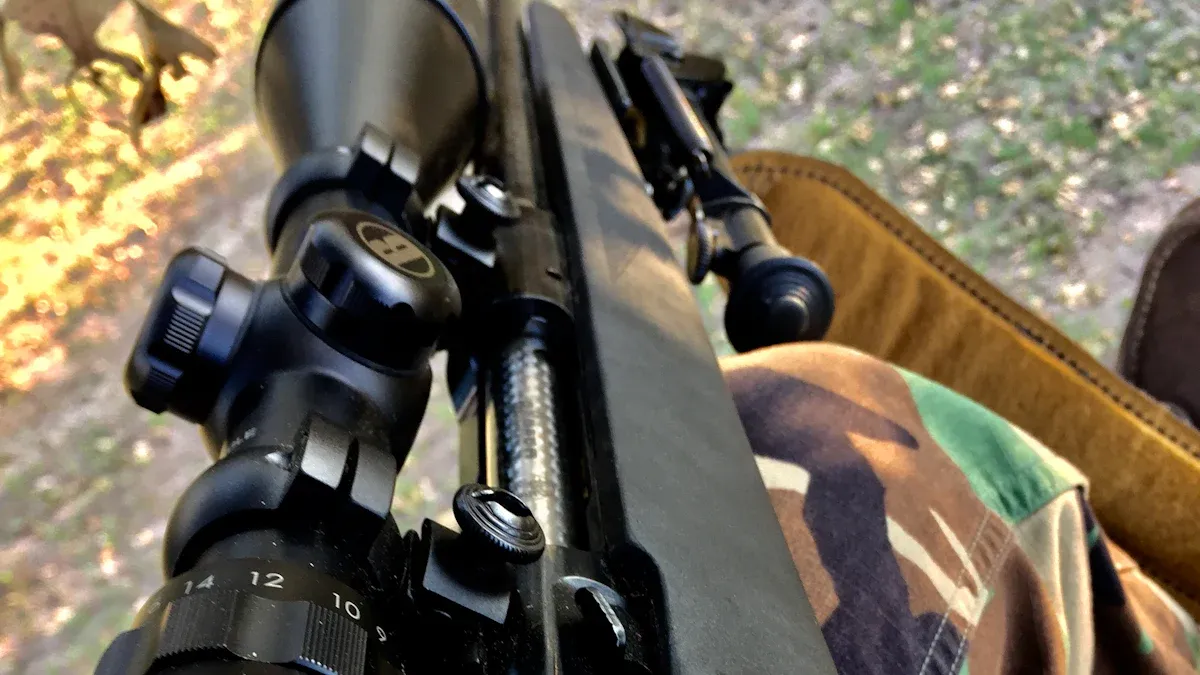
A scope ring may appear to be a minor accessory, but its importance cannot be overstated. A properly secured mount is essential to keep your scope stable, even in the toughest conditions. Issues like loose screws on the rail can lead to significant problems, turning a great shot into a missed chance. With the right accessories and careful tightening, you can shoot with confidence every time.
Key Takeaways
- Correct tightness is very important. Follow the maker’s advice, usually 20 to 22 in-lbs, to avoid damage and stay accurate.
- Use a torque wrench to tighten properly. This tool helps you avoid guessing and keeps your gear safe from being too loose or too tight.
- Check the tightness of your scope rings often. A quick check after a few uses can stop misalignment and make your gear last longer.
Importance of Proper Torque for Scope Rings
Preventing Scope Damage
Improperly tightened scope rings can wreak havoc on your equipment. Over-tightening risks warping the scope tube, while under-tightening leaves the scope vulnerable to movement during recoil. Both scenarios spell trouble for your gear and your aim.
Tip: Always follow the manufacturer’s recommended torque settings, typically between 20 to 22 in-lbs, to avoid damaging threads or stripping screws.
A user once shared their experience of over-tightening screws, which introduced flex in the scope mount. This flex caused misalignment, leading to frustratingly inconsistent shots. Proper torque settings ensure the scope stays secure without compromising its structural integrity.
Ensuring Accuracy and Consistency
Accuracy starts with a stable scope. Uneven tightening of scope rings can lead to misalignment, throwing off your aim. Alternating the tightening process helps maintain uniform pressure, keeping the scope aligned and ready for action.
- Key Steps to Verify Accuracy:
- Use a stable rest and reliable ammunition to fire a three-shot group at a target.
- Adjust the scope’s settings significantly after installation to confirm precision.
Proper torque settings prevent warping, ensuring the scope remains true to its zero. A well-mounted scope ring is the unsung hero behind every bullseye.
Avoiding Over-Tightening and Under-Tightening
Finding the sweet spot between over-tightening and under-tightening is crucial. Over-tightening risks damaging the scope mount, while under-tightening can lead to loosening after recoil.
- Common issues caused by improper torque:
- Stripped screws and worn threads.
- Misalignment that compromises accuracy.
- Potential injury or equipment damage.
A scope ring that’s tightened just right ensures stability and safety. Stick to the recommended torque specs, and your scope will thank you with consistent performance.
Essential Tools for Tightening Scope Rings
Having the right tools makes tightening a scope ring a breeze. Without them, the process can feel like trying to solve a puzzle blindfolded. Here’s a breakdown of the essentials every shooter should have in their toolkit.
Torque Wrench
A torque wrench is the MVP of scope mounting. It ensures screws are tightened to the exact specifications, preventing over-tightening or under-tightening. David, an amateur gunsmith, swears by his torque wrench, saying, "This tool is spot-on." He values the included calibration certificate, which guarantees accuracy.
- Why it’s essential:
- Professional-level precision ensures screws are tightened perfectly.
- It eliminates guesswork, giving users peace of mind.
- Low torque settings make it ideal for delicate firearm components.
Investing in a quality torque wrench saves time and protects your gear from damage.
Screwdrivers and Allen Wrenches
Screwdrivers and Allen wrenches are the unsung heroes of scope mounting. They help secure screws and bolts snugly in place. Look for tools with ergonomic handles to avoid hand fatigue. A set with multiple sizes ensures compatibility with various scope ring models.
Tip: Magnetic screwdrivers can prevent tiny screws from disappearing into the abyss of your workspace.
Cleaning Supplies
Before tightening, clean the scope ring and mounting surfaces. Dust, oil, or debris can interfere with proper alignment. Use a microfiber cloth and a mild cleaning solution to wipe down all components. A clean surface ensures a secure fit and prevents slippage during recoil.
Optional: Thread Locker Guidelines
Thread locker can add an extra layer of security to your setup. Apply a small amount to the screws to prevent them from loosening over time. However, avoid using permanent thread locker, as it can make future adjustments a nightmare. Stick to a medium-strength option for the best results.
Note: Always check the manufacturer’s recommendations before using thread locker on your scope ring.
With these tools in hand, mounting a scope becomes a straightforward and enjoyable task. Proper preparation ensures your gear performs flawlessly when it matters most.
Step-by-Step Guide to Tightening Scope Rings
Preparing the Scope and Rings
Preparation is the foundation of success. Before diving into the tightening process, ensure the scope and rings are clean and free of debris. Dust or oil can create uneven surfaces, leading to misalignment. Use a microfiber cloth and a mild cleaning solution to wipe down all components. A clean surface ensures a snug fit and prevents slippage during recoil.
Next, inspect the scope rings for any signs of wear or damage. A cracked or warped ring can compromise the entire setup. Replace any damaged parts before proceeding. This step may seem minor, but it can save hours of frustration later.
Pro Tip: Lay out all your tools and components on a flat, well-lit surface. This simple step prevents the dreaded "missing screw" scenario.
Aligning the Scope Properly
Alignment is where precision meets patience. Start by placing the scope in the lower half of the rings. Use a level on the turret or a plumb line to ensure the reticle is perfectly horizontal. A crooked reticle can throw off your aim, even if everything else is flawless.
Once the reticle is level, lightly secure the top half of the rings. Avoid tightening the screws just yet. This allows for minor adjustments as you fine-tune the alignment.
Real-Life Scenario: A hunter once shared how a misaligned scope cost him a trophy buck. He learned the hard way that a few extra minutes spent on alignment can make all the difference.
Tightening the Base Screws
The base screws are the unsung heroes of a stable scope. Begin by snugging up all screws to ensure the base sits flush against the ejection port. Preload the base lip against the edge of the port for added stability. This step prevents movement during recoil.
Now, grab your torque wrench. Tighten the screws in a crisscross pattern to the manufacturer’s specifications. For most bases, this means 25 inch-pounds for steel receivers and 15 inch-pounds for aluminum. Following this pattern ensures even pressure, reducing the risk of misalignment.
Quick Tip: Double-check the base’s stability after tightening. A wobbly base can undo all your hard work.
Securing the Scope Rings
With the base secure, it’s time to focus on the scope rings. Tighten the screws slowly in a star pattern. This method distributes pressure evenly, preventing the scope from shifting. Use a torque wrench set to 15-18 inch-pounds, depending on the manufacturer’s guidelines.
Avoid using non-permanent thread locker if you’re relying on a torque wrench. It can affect the torque readings, leading to over-tightening. After securing the screws, recheck each one to ensure they are all equally tight.
Case Study: A competitive shooter once noticed his shots drifting during a match. The culprit? Unevenly tightened scope rings. A quick adjustment brought his aim back on target.
Recommended Torque Specs for Scope Rings
Torque specifications vary by manufacturer, so always consult the user manual. Here’s a handy reference table for some popular brands:
| Manufacturer | Torque Specification (in-lbs) |
|---|---|
| Spuhr | 15-25 |
| Nightforce | 25 |
| Leupold | 15-17 |
| Badger | 15 |
| Warne | 25 |
Stick to these guidelines to avoid over-tightening or under-tightening. Proper torque ensures the scope ring stays secure without damaging the scope or mount.
Final Thought: Think of torque specs as the "Goldilocks zone" for your scope. Too loose, and it wobbles. Too tight, and it breaks. Get it just right, and you’re ready to hit the bullseye.
Common Mistakes When Tightening Scope Rings
Even the most experienced shooters can make mistakes when tightening scope rings. These errors often lead to poor performance, equipment damage, or frustrating adjustments in the field. Avoiding these common pitfalls ensures your setup remains reliable and accurate.
Over-Tightening the Screws
Applying too much torque to the screws can cause irreversible damage to your scope. Excessive force may crimp the metal tube, crush internal components, or restrict the optic’s ability to hold zero. This not only affects accuracy but also shortens the lifespan of your equipment.
Did You Know? Excessive torque can permanently damage the tube, ‘crimping’ the metal and even crushing the tube in extreme cases. Inside your optic, the mechanical and optical components responsible for providing a sharp image and dialing your point of aim can be restricted. This can limit your dialing range and diminish your riflescope’s ability to hold a zero.
A competitive shooter once shared how over-tightening led to a cracked scope ring during a match. The damage forced him to retire early, costing him a potential win. Always use a torque wrench and follow the manufacturer’s specifications to avoid such mishaps.
Using Incorrect Tools
Using the wrong tools can turn a simple task into a nightmare. Screwdrivers that don’t fit snugly or Allen wrenches of the wrong size can strip screws or damage threads. Improper tools also make it harder to apply consistent torque, leading to uneven tightening.
- Common issues caused by incorrect tools:
- Stripped screw heads.
- Uneven pressure on the scope ring.
- Premature wear on mounting components.
Investing in high-quality tools ensures precision and protects your gear. A magnetic screwdriver, for example, prevents tiny screws from vanishing into the abyss of your workspace. Proper tools make the process smoother and more efficient.
Skipping Torque Checks
Skipping torque checks is like driving without checking your tire pressure—it’s a gamble. Over time, screws can loosen due to recoil or environmental factors. Without regular torque checks, your scope may shift, throwing off your aim.
A hunter once shared how he missed a trophy elk because his scope had shifted. He later discovered that the screws had loosened after several rounds of shooting. Regularly checking torque prevents such disappointments and keeps your setup reliable.
- Why torque checks matter:
- They ensure screws remain secure over time.
- They prevent misalignment caused by loose components.
- They extend the lifespan of your scope and mount.
Make torque checks a part of your routine maintenance. It’s a small step that pays off big in the long run.
Misusing Thread Locker
Thread locker can be a double-edged sword. While it helps secure screws, improper use can lead to complications. Applying too much or using a permanent thread locker makes future adjustments nearly impossible. On the flip side, skipping thread locker entirely may result in screws loosening over time.
Pro Tip: Use a medium-strength thread locker for scope rings. Avoid permanent options unless specified by the manufacturer.
A novice shooter once applied permanent thread locker to his scope ring screws. When he needed to make adjustments, he found the screws impossible to remove without damaging the mount. This costly mistake serves as a reminder to use thread locker sparingly and wisely.
Maintenance Tips for Scope Rings
Regularly Checking Torque
Torque checks are like health checkups for your scope ring. Over time, screws can loosen due to recoil or vibrations, throwing off your aim. A quick torque check every few shooting sessions ensures everything stays secure. Use a torque wrench to verify the screws are tightened to the manufacturer’s specifications. This small step can save you from big headaches later.
Pro Tip: Mark your screws with a dab of nail polish or a paint pen. If the marks shift, you’ll know it’s time for a torque check.
A competitive shooter once shared how a loose screw cost him a match. He missed his target by inches, only to discover his scope had shifted. Regular torque checks could have saved his day—and his pride.
Inspecting for Wear and Tear
Scope rings endure a lot of stress, especially during heavy recoil. Inspect them regularly for cracks, warping, or stripped threads. Even a tiny crack can compromise the entire setup. Pay close attention to the screws and mounting surfaces, as these areas are most prone to damage.
A hunter once ignored a small crack in his scope ring. During a critical shot, the ring failed, and his scope shifted dramatically. That missed opportunity became a lesson in the importance of regular inspections.
Reminder: Replace any damaged components immediately. A faulty ring is a disaster waiting to happen.
Cleaning and Reapplying Lubrication
Dirt and grime can sneak into the tiniest crevices of your scope rings. Cleaning them keeps everything running smoothly. Use a microfiber cloth and a mild cleaning solution to wipe down the rings and screws. For added protection, apply a small amount of gun oil or anti-seize lubricant to the screws. This prevents rust and ensures easy adjustments in the future.
Warning: Avoid over-lubricating. Excess oil can attract dust, creating more problems than it solves.
A seasoned marksman once shared how regular cleaning extended the life of his scope rings. He swore by his routine of wiping down the rings after every hunting trip. His gear always performed flawlessly, even in harsh conditions.
Proper torque isn’t just a technical detail—it’s the backbone of a reliable scope setup. Following the recommended steps ensures accuracy and protects your gear from damage. Skipping torque checks or over-tightening screws can lead to costly mistakes.
Remember: A hunter once missed a trophy buck due to loose screws. Regular maintenance could’ve saved the day! Keep your scope rings in top shape, and they’ll reward you with consistent performance.
Post time: May-06-2025