
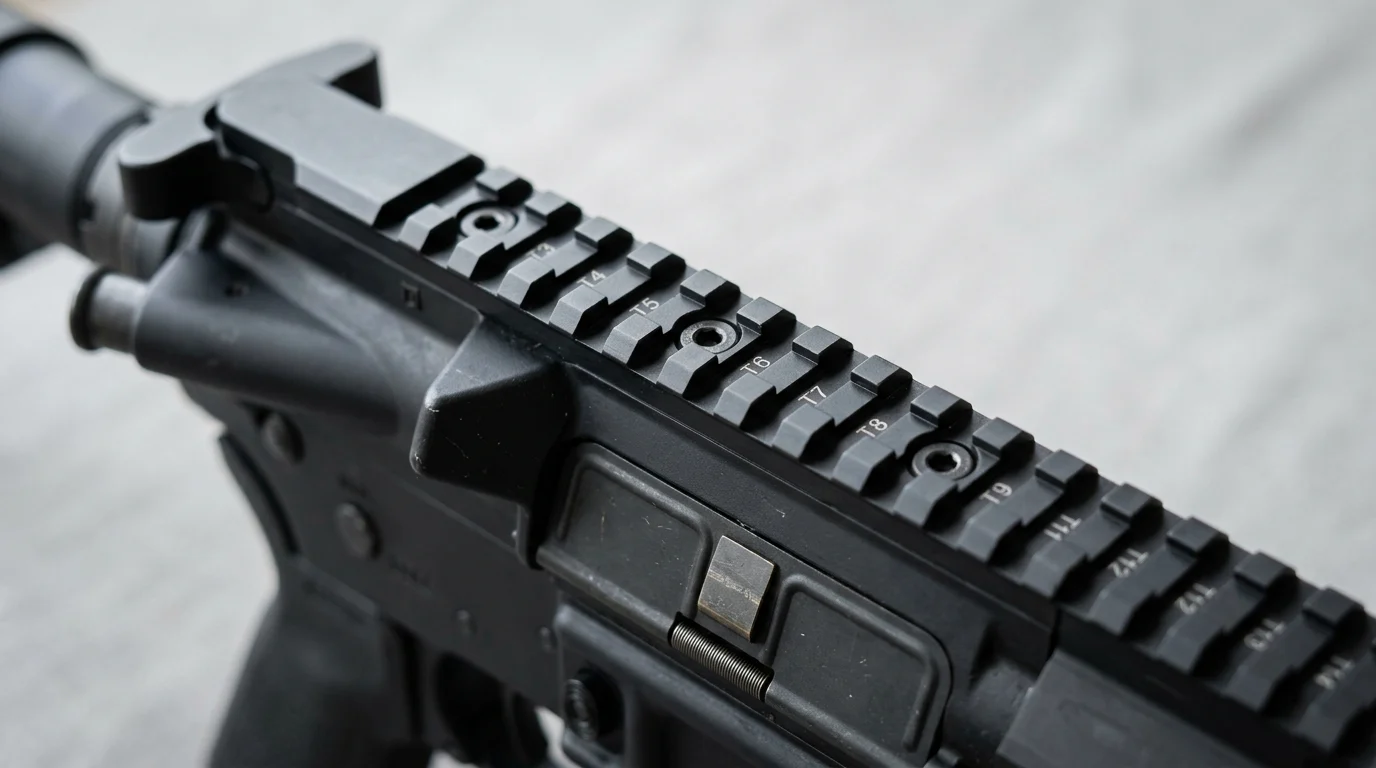
A scope mount looks simple until your zero starts drifting and every missed group raises the same question: was the bargain hardware the weak link? Picatinny rails are built around the MIL-STD-1913 standard, but not every mount matches that standard with the same precision. Beneath the anodized finish, differences in aluminum grade, casting quality, machining tolerances, recoil lug fit, and surface treatment can determine whether an optic stays locked in place or slowly shifts under recoil. This comparison looks beyond price tags and marketing claims, using the logic of X-ray and CT inspection to explain what separates a basic mount from a premium one—and when paying more actually makes sense.
Why Picatinny Rail Scope Mount Prices Vary
It is a tale as old as modern shooting: an enthusiast drops $2,000 on a pristine rifle scope, secures it to the rifle with a $50 bargain-bin mount, and then spends weeks tearing their hair out because the zero seems to wander after every range trip. The Picatinny rail system, officially known as MIL-STD-1913, is supposed to be the ultimate standardized mounting solution. Yet, the market is flooded with options ranging from the price of a cheap lunch to the cost of a car payment, with plenty of practical mid-tier options in between.
Note: While this article explores the conceptual differences revealed by industry X-ray and CT scans rather than a literal side-by-side test of specific $50 and $300 mounts, understanding these manufacturing realities is crucial.
The massive price gap between a budget clamp and a precision piece leaves many buyers wondering if they are just paying for a fancy logo, or if there are genuine structural differences beneath the surface.
What Cheap Mounts Often Hide
Behind the slick black anodizing, budget mounts sometimes harbor manufacturing shortcuts, though price tiers are ultimately just generalizations. It is important to note that price does not always dictate the manufacturing method—some affordable mounts are CNC-machined from 6061 aluminum and feature Type III hardcoat anodizing, while some premium mounts use extruded aluminum rather than billet 7075-T6.
However, many entry-level mounts are die-cast. Extruded 6061 aluminum—often found in reasonably priced mounts—is forced through a die, creating a strong, aligned grain structure that performs admirably. Die-casting, conversely, involves pouring molten metal into a mold. If not strictly quality-controlled, casting can introduce tolerance stacking. A poorly cast mount might suffer from dimensional variations that, under the violent recoil of a centerfire rifle, allow the optic to slip and lose zero. Furthermore, some budget manufacturers skip Type III hardcoat anodizing in favor of a thinner Type II finish, which scratches easily and offers less corrosion resistance.
Key Picatinny Rail Specs That Matter
The magic of a proper Picatinny setup lies in its strict dimensional requirements. According to MIL-STD-1913 documentation, the recoil groove width targets 0.206 inches, and the center-to-center spacing of the slots is 0.394 inches, both of which include specific allowable tolerances. A high-end mount is machined to adhere to these numbers with surgical precision, striving for the ideal of maximum surface contact with the rail.
When the recoil lug sits perfectly flush against the slot, the optic becomes an unmoving extension of the rifle. In contrast, lower-quality mounts may feature undersized recoil lugs that rattle in the slots, forcing the fragile screw threads to absorb the kinetic energy of the blast. Of course, the mount alone does not guarantee long-range precision; zero retention depends on a complete system of factors, including torque consistency, scope quality, base alignment, ammunition, and shooter skill.
What X-Ray Testing Reveals
To understand the debate between casting and premium machining, it helps to look at what industrial CT scanning and X-ray inspections reveal about metal integrity. In the aerospace and firearms industries, radiographic evidence consistently shows a stark reality beneath the surface of different manufacturing methods. To the naked eye, a cast mount and a billet mount look like identical chunks of black aluminum. Under the piercing gaze of an X-ray machine, however, the structural integrity of the two processes tells vastly different stories.
Material Density and Internal Voids
The most glaring difference in X-ray imaging of cast versus billet components lies in material density. Industry CT-scan studies of die-cast aluminum frequently reveal microscopic air voids or porosity within the internal structure. These trapped air bubbles act as potential failure points when subjected to the extreme G-forces generated during a firing cycle. Conversely, a premium mount carved from a solid billet of 7075-T6 (or high-quality 6061) aerospace-grade aluminum displays a highly uniform, solid internal structure. With virtually no hidden pockets of weakness, the billet metal is far less likely to fatigue or shear unexpectedly during a critical moment.
Thread Quality and Machining Differences
Beyond the metal itself, structural imaging highlights a stark contrast in fastener engagement. The maximum safe torque of a mount is not dictated merely by its price tag, but by screw diameter, thread engagement length, material strength, and the presence of reinforcements. Budget cast models often feature shallow, crudely tapped threads directly in softer metal. Apply too much torque, and those threads are in danger of stripping out completely. Premium mounts showcase deep, cleanly cut threads, often reinforced with stainless steel Helicoil inserts. While premium bases might allow shooters to safely torque their base screws to 45 to 65 inch-pounds, it is critical to always consult the manufacturer's specific torque guidelines. Ring screws, for example, are typically kept around 15 to 20 inch-pounds regardless of the mount's price to avoid crushing the scope tube.
| Feature | Die-Cast Mounts | Premium Billet Mounts |
|---|---|---|
| Material | Die-Cast Aluminum | Billet 7075-T6 or 6061 Aluminum |
| Internal Voids | Potential for casting porosity/voids | Uniform, solid structure |
| Recoil Lug Fit | May have looser tolerances | Exact MIL-STD-1913 fit |
| Max Safe Base Torque | Limited by thread depth and material | Higher limits (often uses steel inserts) |
How to Choose the Right Scope Mount
The structural differences between manufacturing methods are undeniably dramatic, but the average shooter does not have an industrial CT scanner sitting in their garage next to the reloading press. Fortunately, evaluating a Picatinny rail and mount combination does not require a degree in radiology. By knowing what to look for and understanding the intended use case—including scope weight, rifle platform, and required precision—buyers can make informed decisions without overspending or compromising their equipment.
Practical Inspection Steps
Instead of guessing, use this quick inspection checklist to evaluate your mount's physical characteristics:
- Visual Finish: Look closely at the machining marks.
Key Takeaways
- Do not judge a Picatinny scope mount by price alone; verify material, manufacturing method, recoil lug fit, and finish quality before buying.
- Prioritize mounts that closely follow MIL-STD-1913 dimensions, including the 0.206-inch recoil groove width and 0.394-inch slot spacing.
- Avoid mounts with loose recoil lugs because they can shift under recoil and make the screws absorb forces they were not designed to handle.
- Choose Type III hardcoat anodizing when durability, scratch resistance, and corrosion resistance matter more than saving a few dollars.
- Remember that zero retention is a full system issue involving mount quality, torque consistency, rail alignment, optic quality, ammunition, and shooter skill.
Frequently Asked Questions
Is a $300 Picatinny scope mount always better than a $50 mount?
Not always. Price is a useful signal, but materials, machining precision, recoil lug fit, anodizing quality, and torque consistency matter more than the logo or price tag.
What Picatinny rail dimensions matter most for scope mounts?
Two critical MIL-STD-1913 dimensions are the 0.206-inch recoil groove width and 0.394-inch slot center spacing. A mount that closely matches these specs is more likely to hold zero.
Why can cheap scope mounts lose zero?
Some budget mounts have loose recoil lugs, inconsistent tolerances, weaker finishes, or casting defects. Under recoil, those issues can let the optic shift or force screws to absorb impact.
What does X-ray or CT testing show in scope mounts?
Industrial scans can reveal hidden porosity, voids, inconsistent wall thickness, or casting flaws that are invisible under anodizing but may affect strength and long-term reliability.
Is 6061 aluminum acceptable for a Picatinny mount?
Yes. Well-machined or properly extruded 6061 aluminum can perform well for many rifles. Premium 7075-T6 may offer greater strength, but design and tolerances are still critical.
Post time: Jul-10-2026