
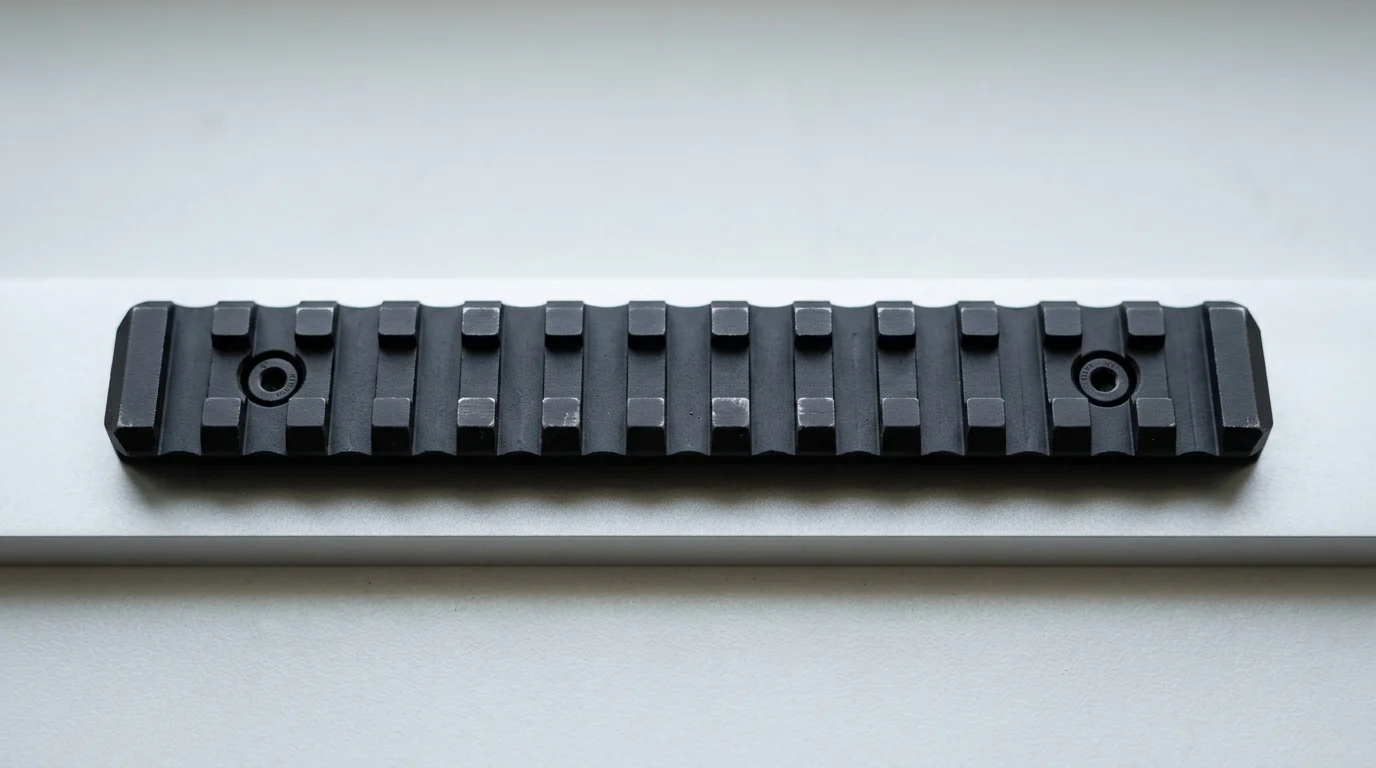
Night hog hunting puts unusual demands on both optics and mounting hardware: targets move fast, visibility is poor, and recoil can punish weak setups. A thermal scope may deliver impressive detection range, but it only performs consistently when it is locked to a dependable rifle platform. That is where the Picatinny rail becomes central. Its standardized slot dimensions help hunters mount heavier thermal optics securely, adjust eye relief, and maintain confidence in the field. This guide explains how rail compatibility, refresh rate, sensor resolution, detection versus identification range, and magnification all work together so you can build a more reliable night-hunting setup.
Why Picatinny Rail Thermal Scopes Matter for Night Hog Hunting
Night hog hunting requires reliable equipment to effectively manage destructive and highly nocturnal wild boars. To gain an advantage, hunters rely on advanced thermal optics mounted securely to their rifles. The backbone of this setup is often the Picatinny rail system, a standardized mounting solution that provides a rugged foundation for heavy thermal optics.
Picatinny Rail Compatibility Explained
The MIL-STD-1913 standard is widely used across tactical and hunting platforms. A standard Picatinny rail features a slot width of 0.206 inches and a center-to-center spacing of 0.394 inches. This consistent geometry helps prevent heavy thermal optics from sliding forward under the sharp recoil of popular hog calibers like .308 Winchester or 6.5 Grendel. It also provides multiple slots to adjust eye relief and accommodate varying scope lengths. Unlike older Weaver systems with inconsistent slot spacing, the Picatinny design allows hunters to move their thermal units between different rifles. However, while high-quality repeatable mounts minimize shift, swapping a scope between rifles generally still requires confirming or slightly adjusting your zero. This rugged consistency is highly beneficial when hunting in pitch-black conditions.
Key Thermal Scope Specs to Compare
Beyond the mount, the internal specifications of the thermal optic dictate performance in the field. Refresh rate is an important factor; a 50Hz or 60Hz display typically provides smooth tracking for moving targets, whereas older 30Hz units may exhibit stutter. Detection range is another critical metric, with many modern units capable of spotting a heat signature from over 1,200 yards away, depending on the manufacturer. However, identification range—the distance at which you can clearly distinguish a hog from other animals—is often closer to 300 yards. Keep in mind that these figures are illustrative; actual detection and identification ranges vary widely depending on lens size, sensor sensitivity, weather conditions, vegetation, and the size of the animal. Base magnification also plays a role, with 2x to 4x generally serving as a practical range for balancing target identification and situational awareness.
How to Compare Picatinny Rail Thermal Scopes for Hog Hunting
Selecting a thermal rifle scope requires balancing optical clarity with mechanical reliability. A high-quality sensor is only effective if the hardware keeping it attached to your rifle remains secure under recoil. Hunters should weigh sensor specifications alongside their mounting hardware to build a cohesive, reliable setup.
Sensor Resolution, Field of View, and Reticles
The microbolometer sensor is the core of any thermal unit, with common options typically including 384×288 or 640×480 resolutions. A 640-resolution sensor packs more pixels into the display, which can offer a wider Field of View (FOV) when paired with an appropriate lens. This wider FOV is highly advantageous when tracking multiple targets that scatter after the first shot. Pixel pitch, measured in microns, also affects image crispness; many modern sensors feature a 12-micron pitch, which has become increasingly standard compared to older 17-micron versions. Note that field of view and base magnification are determined primarily by the combination of lens focal length and sensor format, rather than resolution alone.
| Feature | 384×288 Sensor | 640×480 Sensor |
|---|---|---|
| Pixel Pitch | 12 to 17 micron | 12 micron standard |
| Image Detail | Standard clarity | Higher definition |
| Price Band | $1,500 – $3,000 | $3,500 – $6,000+ |
Mounting Height, Quick-Detach Levers, and Torque
Mating a thermal sensor to your rifle requires a reliable scope mount designed for the Picatinny interface. When selecting a mount, consider its recoil rating and ring spacing to ensure it can support the length and weight of your specific optic. For AR-platform rifles, a common mounting height is typically 1.5 inches from the top of the rail to the center of the optic, which helps promote a natural cheek weld. Quick-detach (QD) levers are popular for hunters who swap their thermal scopes with daytime glass, but the lever tension must be properly adjusted. High-quality mounts require strict adherence to torque specifications—often around 65 in-lbs for crossbolts—to maximize the chances of a repeatable zero. However, all torque, mounting-height, and recoil-rating guidance should be verified against the specific scope and mount manufacturer specifications rather than relying on generic figures. Failing to torque the mount correctly increases the risk of zero shift and missed shots.
Choosing the Best Picatinny Rail Thermal Scope Setup
Bringing the entire system together takes careful planning. A thermal optic is a significant investment, and issues like loose mounting hardware or depleted batteries can quickly end a hunt.
Field Setup Steps That Reduce Failure
Proper field setup helps reduce the chances of equipment failure. Consider applying a medium-strength blue thread locker to mounting screws to prevent recoil vibration from backing them out. When zeroing the optic, stability is crucial; utilizing a high-quality rifle bipod helps keep the rifle steady and minimizes human error. Battery life is another important consideration. Depending on the model, many internal thermal batteries may drain within 4 to 6 hours, especially in cold weather. Some hunters attach a 10,000 mAh external power bank to their rifle stock, which can significantly extend operational time and help ensure the optic remains powered throughout the night.
Budget, Warranty, and Legal Considerations
Budgeting for a night hunt involves more than just the optic. While entry-level thermal units often start around $1,500, fully outfitting a rifle with premium mounts and necessary hunting accessories can push the total cost past $5,000. It is advisable to check the manufacturer's warranty, looking for comprehensive coverage, as thermal sensors can occasionally experience dead pixels or firmware issues. Finally, navigate the legal landscape carefully. While feral hogs are widely considered an invasive species with year-round open seasons in many regions, night hunting regulations vary significantly by jurisdiction. Some areas prohibit or require special permits for thermal optics entirely, not just for specific night-hunting methods. Verifying all local laws regarding artificial light, thermal scopes, and suppressed rifles ensures your hunt remains compliant before heading into the field.
Key Takeaways
- Choose a true MIL-STD-1913 Picatinny rail with 0.206-inch slots and 0.394-inch spacing for reliable thermal scope compatibility.
- Confirm your zero after moving a thermal scope between rifles, even when using a high-quality repeatable Picatinny mount.
- Prioritize a 50Hz or 60Hz refresh rate for smoother tracking of fast-moving hogs at night.
- Treat detection range and identification range separately, since a scope may detect heat past 1,200 yards but identify hogs at much shorter distances.
- Use 2x to 4x base magnification to balance target recognition with enough field of view for scanning and follow-up shots.
- Consider 640×480 sensors and 12-micron pixel pitch when you need sharper detail and better visibility across groups of hogs.
Frequently Asked Questions
Why is a Picatinny rail useful for mounting a thermal scope?
A Picatinny rail uses standardized MIL-STD-1913 slot geometry, giving thermal optics a secure, repeatable mounting base. This helps resist movement under recoil and allows flexible scope positioning for proper eye relief.
What Picatinny rail dimensions matter for scope compatibility?
A standard Picatinny rail has a slot width of 0.206 inches and center-to-center slot spacing of 0.394 inches. These consistent dimensions help compatible mounts lock securely across rifles.
Can I move one thermal scope between multiple rifles?
Yes, Picatinny mounts make it easier to move a thermal scope between rifles, but you should confirm zero each time. Even repeatable mounts can show slight point-of-impact changes.
What refresh rate is best for night hog hunting?
A 50Hz or 60Hz refresh rate is generally preferred because it tracks moving hogs more smoothly. Older 30Hz units may appear choppy when animals are running or changing direction quickly.
How far can a thermal scope detect hogs at night?
Some modern thermal scopes can detect heat signatures beyond 1,200 yards, but practical identification is often much closer, around 300 yards. Weather, vegetation, lens size, and sensor quality all affect real-world range.
Post time: Jul-10-2026