
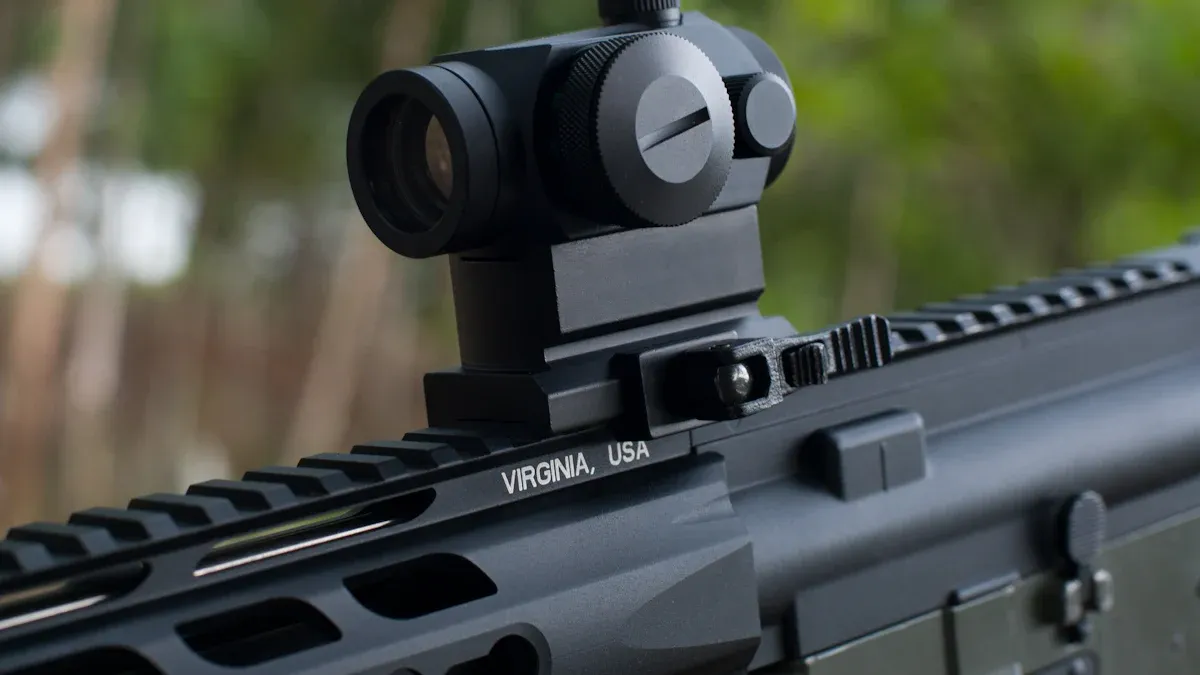
When choosing between a red dot and a holographic sight for home defense, understanding their unique strengths is crucial. Holographic sights provide unmatched precision, with a 1 MOA center dot covering just 1 inch at 100 yards. In comparison, red dots cover 2 inches but excel with a battery life of up to 50,000 hours, ensuring reliability in emergencies.
Key Takeaways
- Red dot sights are light and save energy. Their batteries can last up to 50,000 hours. This makes them good for quickly aiming in emergencies.
- Holographic sights have advanced designs that improve accuracy. They stay clear even if your eyes move, which helps in stressful moments.
- Think about what you need before picking one. Red dots are simple and cheap, while holographic sights are better for accuracy and strength.
Technology and Functionality
Red Dot Sight Technology
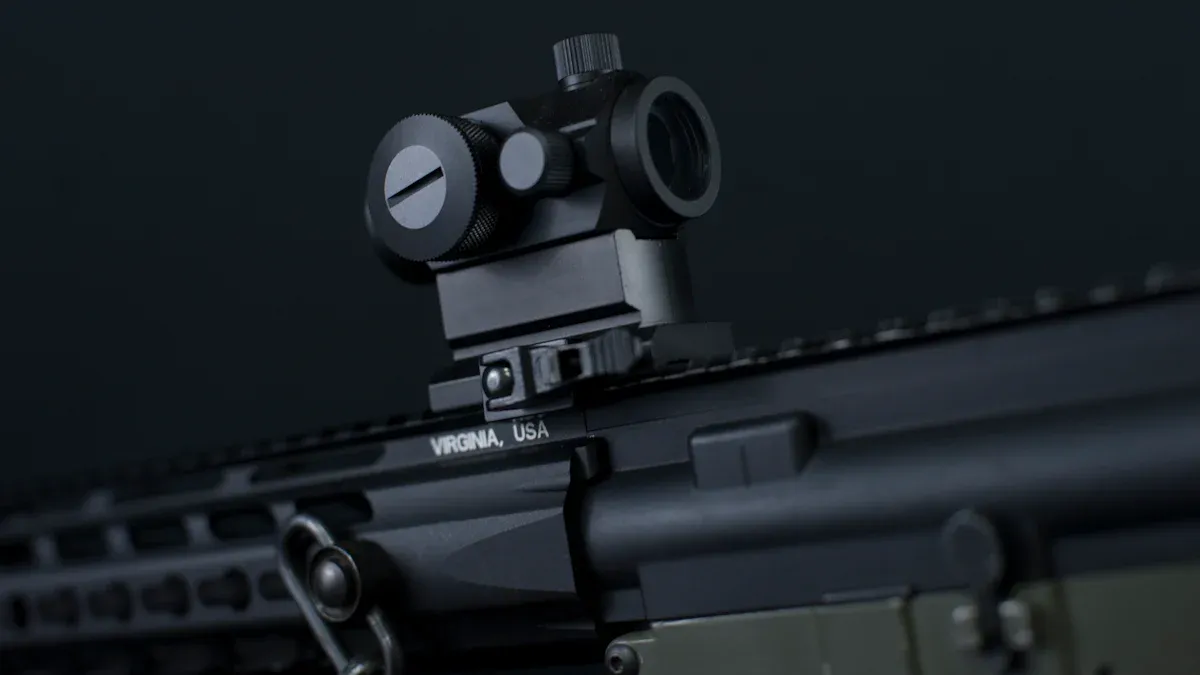
Red dot sights rely on a straightforward yet effective design. They project an illuminated red dot onto a specially coated glass lens, allowing users to align the dot with their target. This system uses a light-emitting diode (LED) to create the dot, which remains visible without magnification. The lens coating filters out other light wavelengths, ensuring the dot stays clear and unobstructed, even in bright conditions. This simplicity makes red dot sights a popular choice for home defense, where quick target acquisition is critical.
Recent market trends highlight the growing demand for red dot sights due to their lightweight and compact designs. These optics are particularly favored by recreational shooters and hunters for their ease of use and multifunctional capabilities. Compared to riflescopes, which focus on magnification, red dot sights prioritize speed and precision, making them ideal for close-quarters scenarios.
Holographic Sight Technology
Holographic sights operate on a more advanced principle. Instead of projecting a single dot, they use a laser to create a holographic reticle that appears to float in the user’s field of view. This reticle remains sharp and precise, even if the shooter’s eye position shifts. Unlike red dot sights, holographic sights allow for more complex reticle designs, such as a 1 MOA center dot surrounded by a larger ring. This feature enhances accuracy, especially in high-stress situations.
Performance tests reveal the precision of holographic sights. For instance, the EOTech EXPS 3.0 demonstrated minimal vertical and horizontal deviation, offering consistent results. This level of accuracy makes holographic sights a reliable option for home defense, where precision can make a significant difference. However, their advanced technology often comes with a higher price tag and shorter battery life compared to red dot sights.
Key Differences
Reticle Options
The reticle design is one of the most noticeable differences between red dot and holographic sights. Red dot sights typically feature a simple illuminated dot, ranging from 2 to 6 MOA. This simplicity allows for quick target acquisition, especially in close-range scenarios. On the other hand, holographic sights offer more advanced reticle options. They often include a 1 MOA center dot surrounded by a larger ring, providing greater precision and versatility. This design proves particularly useful in high-stress situations, where accuracy is critical.
For example, holographic sights excel in long-range shooting due to their clearer reticle image. The floating reticle remains sharp even if the shooter’s eye position shifts, ensuring consistent accuracy. While red dot sights prioritize speed, holographic sights deliver a balance of speed and precision, making them a strong contender for home defense.
Battery Life
Battery life is a crucial factor when choosing between these two optics. Red dot sights are renowned for their energy efficiency. Many models boast a battery life of up to 50,000 hours, which translates to years of use without needing a replacement. This reliability makes them ideal for emergencies, where a dead battery could compromise safety.
In contrast, holographic sights consume significantly more power. Most models offer a runtime of only 1 to 3 months, depending on usage and battery type. While this shorter lifespan may seem like a drawback, it’s important to note that holographic sights often include features like auto-shutoff to conserve energy. However, for those prioritizing long-term reliability, red dot sights remain the more practical choice.
Durability
Durability plays a vital role in determining the best optic for home defense. Red dot sights, with their simpler design, tend to be more abuse-proof. They can withstand rough handling and maintain functionality, making them a reliable option for everyday use.
Holographic sights, while more complex, are built to endure extreme conditions. For instance, the EOTech EXPS3 underwent rigorous testing, including submersion in water, freezing temperatures, and direct impacts. It maintained zero even after being dropped onto rocks from a height of 5 feet. The aluminum housing showed only cosmetic damage, and the nitrogen-purged optics remained fog-free. This level of durability ensures that holographic sights can perform under the most demanding circumstances.
Size and Weight
Size and weight are significant considerations, especially for home defense scenarios where maneuverability is key. Red dot sights are generally smaller and lighter, making them easier to handle. Their compact design allows for quick mounting on firearms without adding unnecessary bulk.
Holographic sights, however, are typically larger and heavier due to their advanced technology. For example, the EOTech EXPS3 weighs just over 11 ounces, which may feel cumbersome for some users. Despite this, their added weight often comes with enhanced features, such as a more precise reticle and better visibility in low-light conditions. Ultimately, the choice between the two depends on the user’s preference for portability versus functionality.
Advantages and Disadvantages
Red Dot Sight Pros and Cons
Red dot sights offer several advantages that make them a popular choice for home defense.
- Lightweight and compact: Their small size ensures easy handling and quick mounting.
- Long battery life: Many models last up to 50,000 hours, providing years of reliable use.
- Ease of use: The simple reticle design allows for fast target acquisition, even in high-pressure situations.
- Affordability: Entry-level models are budget-friendly, making them accessible to most users.
However, red dot sights also have limitations:
- Parallax distortion: This can affect accuracy, especially at longer ranges.
- Limited reticle options: They lack the versatility of holographic sights for magnification.
- Durability concerns: While tough, they may become inoperative if the lens is damaged or obscured.
Holographic Sight Pros and Cons
Holographic sights excel in scenarios requiring precision and versatility.
- Advanced reticle design: The floating reticle remains sharp, even with eye movement, enhancing accuracy.
- Durability: These sights can function even if the front lens is damaged or obstructed.
- Better for astigmatism: The reticle appears clearer for users with vision issues.
- Low-light performance: They often outperform red dots in night vision compatibility.
Despite their strengths, holographic sights have drawbacks:
- Heavier and bulkier: Their advanced technology adds weight, which may reduce maneuverability.
- Shorter battery life: Most models last only a few months, requiring frequent replacements.
- Higher cost: The price point is significantly higher than red dot sights, which may deter budget-conscious buyers.
| Feature | Red Dot Sights | Holographic Sights |
|---|---|---|
| Pros | Lightweight, Long Battery Life, Affordable | Durable, Precise Reticle, Better for Astigmatism |
| Cons | Parallax Issues, Limited Reticle Options | Expensive, Shorter Battery Life, Heavier |
Tip: For users prioritizing affordability and simplicity, red dot sights are a practical choice. Those seeking precision and durability may find holographic sights more suitable.
Practical Considerations for Home Defense
Ease of Use
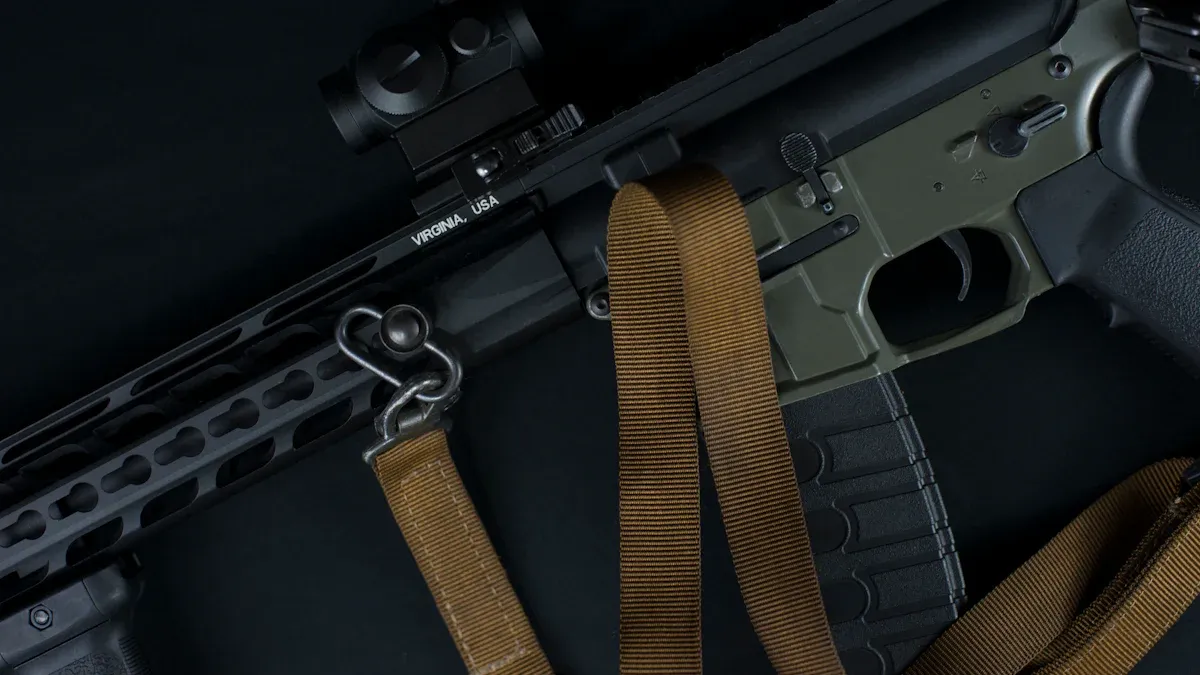
When it comes to home defense, ease of use is a critical factor. A sight should allow users to quickly align their target without requiring extensive training. Red dot sights excel in this area due to their straightforward design. Users only need to place the dot on the target and shoot. This simplicity makes them ideal for individuals with limited experience in handling firearms.
Holographic sights, while slightly more complex, also offer user-friendly features. Their reticle remains sharp regardless of eye position, which reduces the need for perfect alignment. This feature proves invaluable in high-stress situations where precision and speed are essential. For instance, during a training course, instructors emphasized the importance of using holographic sights with both eyes open. This technique enhances situational awareness, allowing users to maintain a clear view of their surroundings.
Speed and Precision
Speed and precision often determine the effectiveness of a sight in home defense scenarios. Red dot sights prioritize speed. Their illuminated reticle allows for rapid target acquisition, even in low-light conditions. Models like the Bushnell Red Dot Sight are particularly effective, offering unlimited eye relief and a wide field of view. These features enable users to react quickly to potential threats.
Holographic sights, on the other hand, strike a balance between speed and precision. Their advanced reticle design, such as the 1 MOA center dot surrounded by a larger ring, ensures accurate targeting. The EOTech holographic sight, for example, demonstrated exceptional performance in tests. Its reticle design allowed users to acquire targets quickly while maintaining high accuracy. This combination makes holographic sights a reliable choice for those who value precision in high-pressure situations.
Accessory Compatibility
Compatibility with accessories can enhance the functionality of a sight. Red dot sights are highly versatile and can be paired with various accessories, such as magnifiers and night vision devices. This adaptability makes them suitable for different home defense setups. For example, the Vortex Optics Strikefire II offers 1x magnification and a durable construction, making it compatible with additional optics for improved performance.
Holographic sights also support a range of accessories. Their design allows for seamless integration with magnifiers, providing users with the flexibility to switch between close-quarters and long-range targeting. This feature proves particularly useful in homes with larger spaces or outdoor areas. However, the added weight of these accessories may affect maneuverability, which is an important consideration for some users.
Cost Effectiveness
Cost often plays a significant role in the decision-making process. Red dot sights are generally more affordable, with entry-level models offering reliable performance at a fraction of the cost of holographic sights. Their long battery life further enhances their value, reducing the need for frequent replacements.
Holographic sights, while more expensive, justify their price with advanced features and superior durability. Models like the Trijicon RMR 6.5 MOA offer adjustable brightness settings and multi-coated lenses for enhanced image quality. These features provide excellent performance in various lighting conditions, making them a worthwhile investment for those prioritizing precision and reliability.
Tip: For budget-conscious buyers, red dot sights offer a practical solution without compromising on performance. Those willing to invest in advanced technology may find holographic sights to be a better long-term choice.
Recommendations
Top Red Dot Sights for Home Defense
Selecting the right red dot sight can significantly enhance home defense capabilities. Among the top choices, the Vortex Venom stands out for its low-profile design and a large 6 MOA dot. This configuration ensures quick target acquisition, even in high-pressure situations. Its compact size and user-friendly features make it an excellent option for individuals seeking simplicity and reliability.
Another strong contender is the Sig Sauer Romeo5, which offers motion-activated illumination. This feature powers the sight on when movement is detected, ensuring readiness at all times. With a battery life of up to 40,000 hours, it provides long-term reliability, making it a practical choice for emergencies.
For those on a budget, the Bushnell TRS-25 delivers exceptional value. Its durable construction and clear 3 MOA dot make it a dependable option for close-quarters scenarios. Despite its affordability, it does not compromise on performance, making it a favorite among first-time buyers.
Top Holographic Sights for Home Defense
Holographic sights offer advanced features that cater to users prioritizing precision and versatility. The EOTech EXPS3 remains a top choice due to its rugged construction and superior reticle design. Its 1 MOA center dot, surrounded by a 68 MOA ring, ensures accuracy in both close and long-range engagements. This sight also performs exceptionally well in low-light conditions, making it ideal for nighttime home defense.
The Lucid HD7 is another excellent option, featuring auto-brightness capability. This function adjusts the reticle brightness based on ambient light, allowing users to adapt quickly to varying lighting conditions. This feature proves invaluable in home defense scenarios where lighting can change unexpectedly.
For users seeking a balance between performance and affordability, the Vortex AMG UH-1 Gen II offers a compelling solution. Its advanced holographic technology ensures a sharp reticle image, while its durable construction withstands harsh conditions. This sight provides a reliable option for those who value both precision and durability.
Choosing Based on Personal Needs
The choice between a red dot and a holographic sight ultimately depends on individual preferences and home defense priorities. For users seeking a lightweight, affordable, and energy-efficient option, red dot sights like the Vortex Venom or Sig Sauer Romeo5 are excellent choices. Their simplicity and long battery life make them ideal for quick target acquisition in emergencies.
On the other hand, holographic sights cater to those who prioritize precision and advanced features. Models like the EOTech EXPS3 or Lucid HD7 offer superior reticle designs and adaptability to various lighting conditions. These sights are particularly beneficial for users with astigmatism or those requiring enhanced accuracy in high-stress situations.
Tip: Consider the size of your home, typical lighting conditions, and your level of experience with firearms when selecting a sight. Testing different models at a local range can also help determine which option feels most comfortable and effective.
Choosing between red dot and holographic sights depends on specific needs. Red dots excel in simplicity, affordability, and battery life, while holographic sights offer precision and advanced features.
Recommendation: For quick, budget-friendly solutions, red dots are ideal. For precision and durability, holographic sights shine. Test both to find the perfect fit for your home defense strategy.
FAQ
What is the best sight for beginners in home defense?
Red dot sights are ideal for beginners. Their simple design and ease of use allow quick target acquisition, making them perfect for individuals with limited firearm experience.
Can holographic sights work in low-light conditions?
Yes, holographic sights excel in low-light environments. Their advanced reticle design and night vision compatibility ensure clear visibility, enhancing accuracy during nighttime home defense scenarios.
Are red dot sights durable enough for home defense?
Absolutely! Red dot sights feature robust construction. They withstand rough handling and maintain functionality, ensuring reliability in high-pressure home defense situations.
Post time: Apr-27-2025