
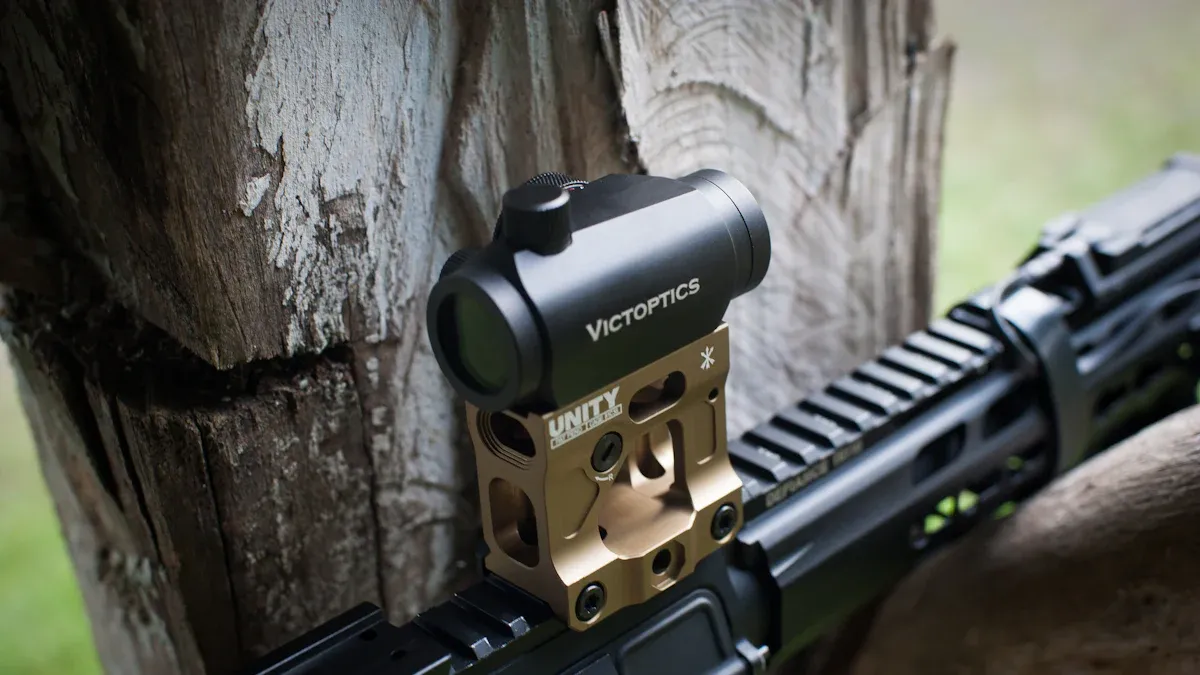
Choosing the right scope rings can transform shooting performance. Steel rings deliver unmatched durability, resisting wear during heavy use. Aluminum rings, though lighter, may falter under stress. Hunters, tactical shooters, and enthusiasts benefit by pairing their rifle’s Rail and Mount with robust Accessories tailored to their needs. The decision shapes reliability and precision.
Key Takeaways
- Steel scope rings are very strong and last long. They work well for guns with strong recoil and tough conditions.
- Aluminum scope rings are light and good for guns with less recoil. They are easy to carry but not as strong as steel.
- Pick scope rings based on your gun and how you use it. Steel is great for rough use, while aluminum is better for light setups.
Strength and Resistance to Wear
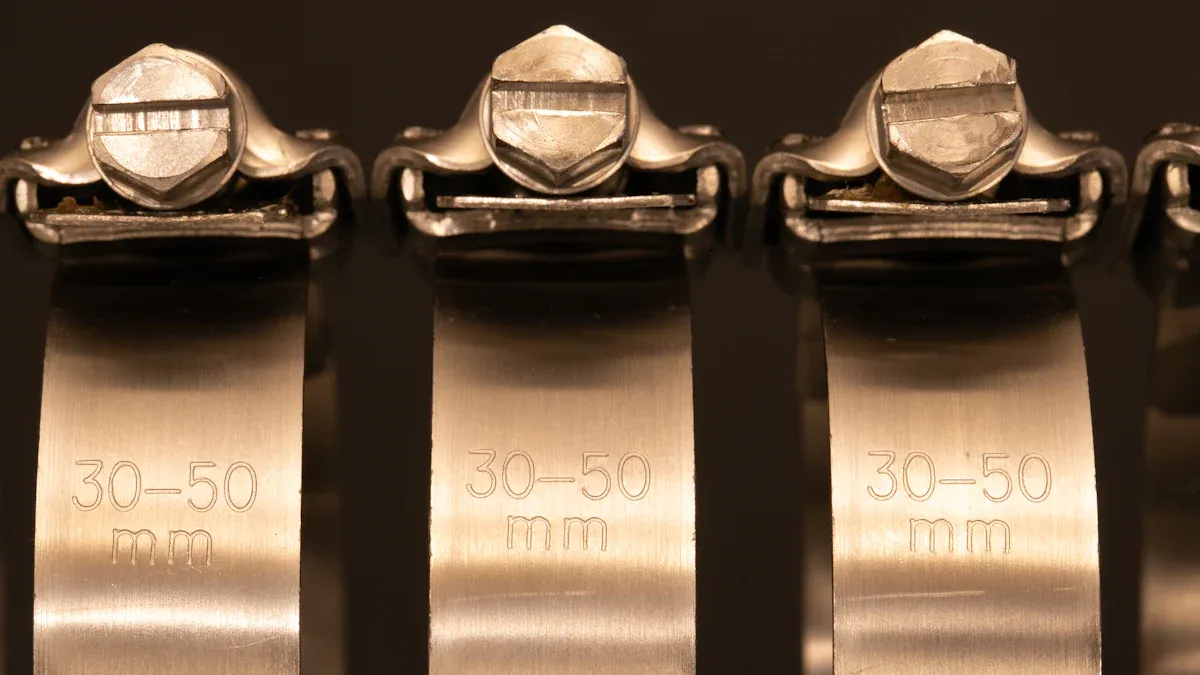
Steel Scope Rings: Strength and Durability
Steel scope rings are renowned for their exceptional strength and durability, making them a top choice for demanding applications. The inherent properties of steel, such as its high tensile strength and resistance to deformation, allow these rings to withstand significant stress without compromising performance. This makes them ideal for heavy-recoil firearms or scenarios where consistent accuracy is critical.
A study analyzing the composition and performance of steel highlights its superior characteristics:
| Performance Characteristic | Description |
|---|---|
| Composition | Fe, Al, P, Si, Ca, S, Ti, V |
| Wear Resistance | Excellent due to specific elemental composition |
| Hardness | Improved by P element |
| Strength | Enhanced by Si and P elements |
| Corrosion Resistance | Improved by Al element |
| Surface Roughness | Generally less than 0.6 μm Sa |
| Friction Coefficient | Average of 0.85 |
| Testing Method | Friction-wear test with specific parameters |
| Test Force | 100 N during friction-wear test |
| Test Frequency | 1 Hz |
| Exposure Time | 3,600 s |
| Elemental Effects | Different elements affect performance, e.g., Si increases tensile strength. |
This data underscores why steel scope rings excel in high-stress environments. Their ability to resist wear and maintain structural integrity ensures long-term reliability, even under extreme conditions.
Aluminum Scope Rings: Strength and Durability
Aluminum scope rings offer a different set of advantages, primarily centered around their lightweight nature. While they may not match steel in terms of raw strength, modern manufacturing techniques have significantly improved their durability. Aircraft-grade aluminum, often used in these rings, provides a balance of strength and weight that appeals to hunters and shooters who prioritize mobility.
However, aluminum’s lower density compared to steel means it may deform under heavy recoil or prolonged stress. This makes it less suitable for high-caliber firearms or tactical applications. Despite this limitation, aluminum scope rings perform admirably in low-recoil setups or when weight reduction is a priority. Their anodized finish also enhances corrosion resistance, adding to their overall durability.
Wear Resistance: Steel vs Aluminum
When comparing wear resistance, steel emerges as the clear winner. Its dense molecular structure and specific elemental composition, such as the inclusion of phosphorus and silicon, contribute to its ability to resist surface wear and deformation. Steel scope rings maintain their shape and grip over time, even with repeated use in rugged conditions.
Aluminum, while durable in its own right, lacks the same level of wear resistance. Prolonged exposure to friction or heavy loads can lead to surface wear, potentially affecting the ring’s ability to hold the scope securely. This difference becomes particularly evident during extended shooting sessions or in harsh environments.
For users seeking maximum longevity and reliability, steel scope rings provide unmatched performance. However, aluminum remains a viable option for those prioritizing weight savings over extreme durability.
Weight and Practicality
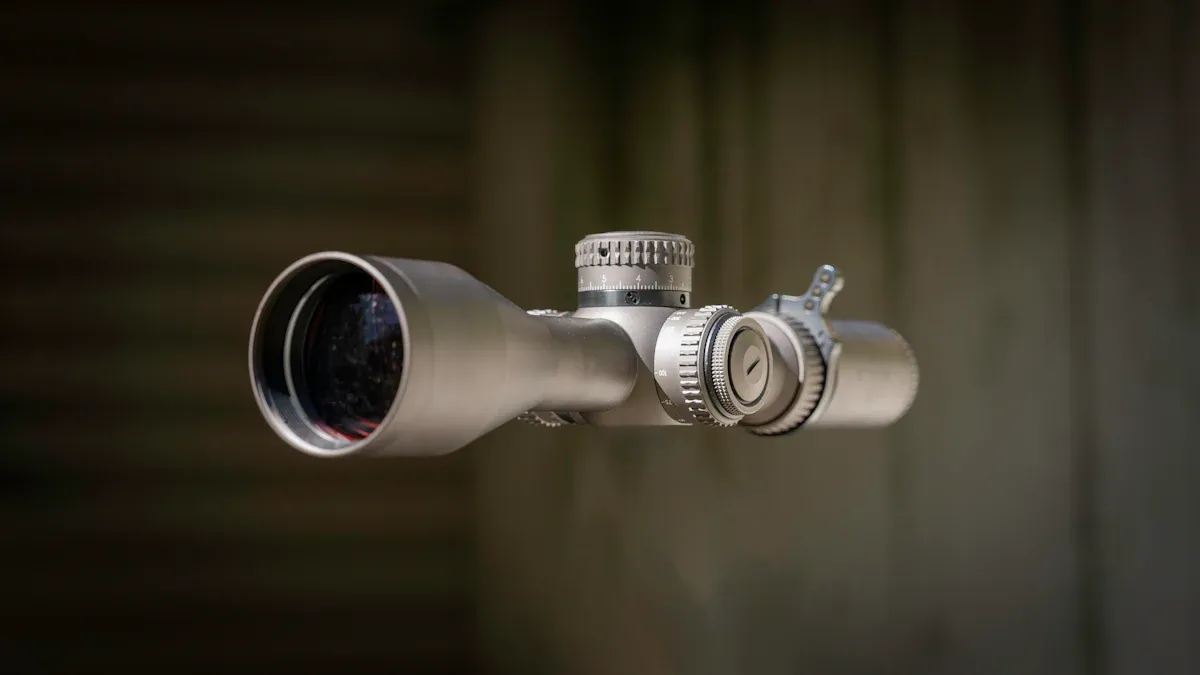
Weight Comparison: Steel vs Aluminum Scope Rings
Steel scope rings are heavier due to their dense composition, while aluminum rings offer a lightweight alternative. This difference becomes evident when comparing specific models:
| Scope Ring Type | Weight (oz) | Weight (g) | Comparison to Steel |
|---|---|---|---|
| Barrett ZERO-GAP Rings (30mm) | 8.32 | 235.9 | 2.5 times lighter than steel |
| Barrett ZERO-GAP Rings (34mm) | 8.45 | 239.6 | 2.5 times lighter than steel |
| SARV Machine HSR Helldiver | 3.5 | N/A | N/A |
Barrett ZERO-GAP Rings, crafted from high-strength 7075 T-6 aluminum, showcase an impressive strength-to-weight ratio. Their lightweight design appeals to shooters prioritizing mobility without sacrificing reliability.
Impact of Weight on Durability and Usability
The weight of scope rings directly influences their durability and usability. Steel rings, though heavier, excel in maintaining structural integrity under stress. Their robust design ensures consistent performance, even with high-recoil firearms. Aluminum rings, while lighter, may deform under prolonged stress or heavy recoil. However, their reduced weight enhances usability, especially for hunters navigating rugged terrain or shooters aiming for quick adjustments.
Tip: For long-range shooting or tactical applications, steel rings provide unmatched stability. For lightweight setups, aluminum rings offer a practical solution.
Balancing Weight and Strength for Scope Rings
Choosing between steel and aluminum scope rings requires balancing weight and strength. Steel rings deliver superior durability, making them ideal for demanding conditions. Aluminum rings, with their lightweight design, cater to users seeking portability and ease of use. Shooters must consider their firearm type, intended application, and personal preferences to make the best choice.
Application Suitability
Scope Rings for Hunting Applications
Hunters often face unpredictable environments, from dense forests to open plains. The right scope rings can make all the difference in ensuring a successful hunt. Steel scope rings excel in hunting scenarios that involve high-recoil firearms, such as those used for big game hunting. Their durability ensures that the scope remains securely mounted, even after repeated shots. This stability is crucial for maintaining accuracy when tracking fast-moving targets.
On the other hand, aluminum scope rings cater to hunters who prioritize mobility. Lightweight and easy to handle, they reduce the overall weight of the firearm. This advantage becomes evident during long treks through rugged terrain. For hunters using low-recoil rifles or prioritizing portability, aluminum scope rings provide a practical solution without compromising performance.
Tip: For hunters targeting large game or using high-caliber rifles, steel scope rings offer unmatched reliability. For small game or lightweight setups, aluminum rings are a better fit.
Scope Rings for Tactical and Long-Range Shooting
Tactical and long-range shooting demands precision and consistency. Steel scope rings dominate in these applications due to their superior strength and ability to maintain alignment under stress. Tactical shooters often rely on high-caliber firearms, where recoil can dislodge weaker mounts. Steel rings ensure that the scope remains firmly in place, preserving accuracy during rapid-fire or high-stress situations.
For long-range shooters, even the slightest misalignment can result in missed targets. Steel scope rings provide the stability needed to maintain zero over extended distances. However, aluminum scope rings are not entirely out of the picture. When paired with low-recoil rifles, they offer a lightweight alternative that still delivers reliable performance.
Note: Tactical shooters and long-range enthusiasts should prioritize steel scope rings for maximum stability. Aluminum rings are suitable for less demanding setups or when weight reduction is essential.
Performance in Extreme Weather and Rugged Conditions
Scope rings must endure harsh conditions to ensure consistent performance. Steel scope rings shine in extreme weather due to their resistance to wear and deformation. They perform reliably in rain, snow, and dusty environments, maintaining their grip on the scope. This reliability is essential for shooters operating in unpredictable climates or rugged terrains.
Aluminum scope rings, while lighter, also offer impressive durability when crafted from high-quality materials like aircraft-grade aluminum. Their anodized finish enhances corrosion resistance, making them suitable for wet or humid conditions. However, prolonged exposure to extreme stress may reveal their limitations compared to steel.
Key features that support performance in extreme conditions include:
- Reliability in Extreme Conditions: Waterproof and shockproof designs ensure consistent performance in rain, snow, and dusty environments.
- Long-Term Durability: High-quality scope rings, often backed by lifetime warranties, withstand rugged use over time.
- Enhanced Accuracy: These rings maintain internal alignment, preventing damage and ensuring consistent accuracy.
For shooters who frequently operate in challenging environments, steel scope rings provide unmatched durability and reliability. Aluminum rings remain a viable option for those prioritizing weight savings, provided the conditions are not excessively harsh.
Steel scope rings deliver unmatched durability, making them the top choice for high-stress applications or heavy-recoil firearms. Aluminum rings, on the other hand, cater to users prioritizing lightweight setups, offering portability with some trade-offs in strength.
Key Takeaway: Shooters should evaluate their firearm type, intended use, and personal preferences. Steel excels in rugged conditions, while aluminum suits lightweight, low-recoil setups. Choose wisely to enhance performance and reliability.
FAQ
What are the main advantages of steel scope rings?
Steel scope rings offer unmatched durability and strength. They resist wear and deformation, making them ideal for high-recoil firearms and extreme conditions. Their longevity ensures reliable performance.
Are aluminum scope rings suitable for heavy-recoil firearms?
Aluminum scope rings are not ideal for heavy-recoil firearms. Their lightweight design may deform under stress. Steel rings provide better stability and reliability in such scenarios.
How do I choose between steel and aluminum scope rings?
Consider your firearm type and application. Steel suits rugged, high-stress conditions. Aluminum works best for lightweight setups or low-recoil firearms. Match your choice to your shooting needs.
Post time: May-06-2025