

A dot sight is an optical aiming device that projects a visible reticle, often illuminated, to enhance accuracy and speed. Its primary applications include tactical operations and speed shooting sports, where quick target acquisition is critical.
The rising popularity of competitive shooting and hunting underscores the increasing adoption of dot sights.
- Participation in shooting sports has grown by over 20% in five years.
- Competitive events like IPSC and IDPA demand advanced optics for precision and speed.
- The hunting sector favors these sights for improving accuracy and success rates.
Key Takeaways
- Dot sights help you aim better and shoot faster. They show a clear reticle, making them great for hunting, sports, or tactical use.
- Think about why you need it, the reticle style, battery life, and strength before picking a dot sight. This helps you get the right one.
- Try out a dot sight before buying it. Look at how clear the reticle is, check for parallax issues, and see if it’s built well to choose the best option.
What Is a Dot Sight and How Does It Work?
Definition and Purpose of a Dot Sight
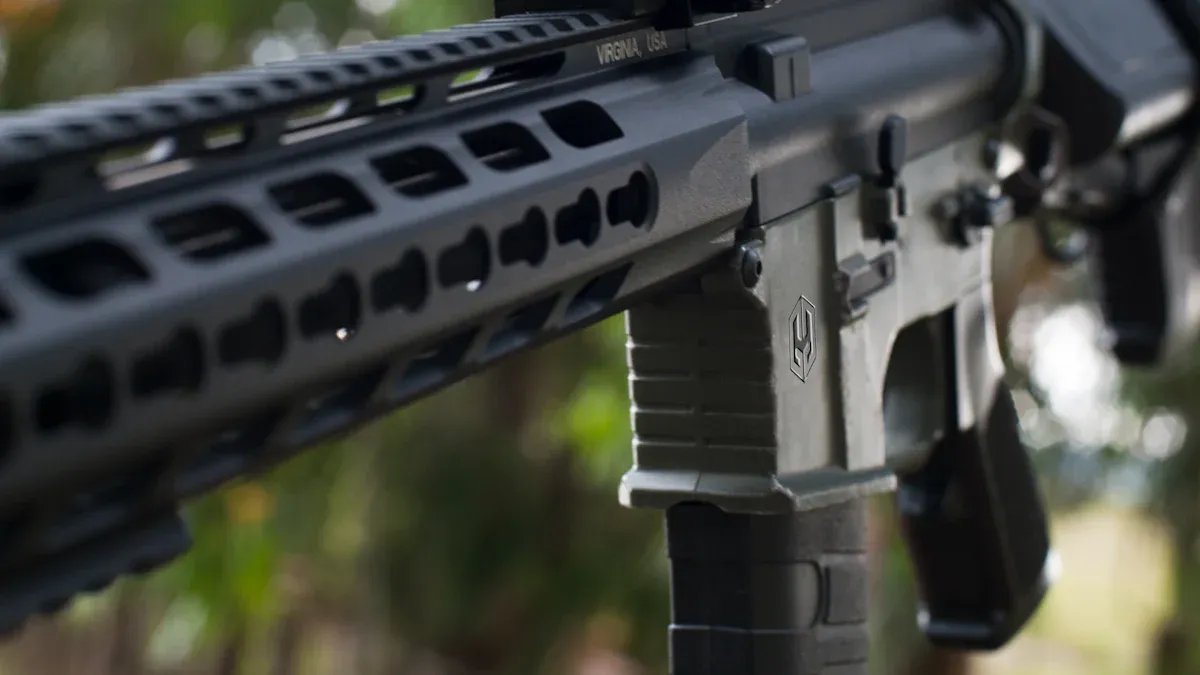
A dot sight is an optical device designed to enhance aiming precision by projecting a reticle, often in the form of a red or green dot, onto a lens. This technology allows users to align their target quickly without the need for traditional iron sights. The primary purpose of a dot sight is to improve accuracy and speed, making it an essential tool for activities such as tactical operations, hunting, and competitive shooting.
The growing demand for dot sights reflects their versatility and effectiveness. Recent market analysis highlights significant advancements in this technology, including the integration of IoT and AI features. These innovations cater to the increasing need for energy-efficient and high-performance optics across various industries.
How Dot Sights Project a Reticle
Dot sights use advanced optical systems to project a reticle onto a lens. This process involves a light-emitting diode (LED) that generates the reticle, which is then reflected onto a specially coated lens. The lens ensures that the reticle remains visible to the user while maintaining a clear view of the target.
Empirical studies have shown that modern reticle designs are based on ballistic performance data. This data accounts for environmental factors such as wind and atmospheric pressure, ensuring that the reticle accurately predicts bullet trajectory. Additionally, scientific measurements validate the precision of reticle projection by testing for parallax effects. These tests involve inducing angular deviations to measure the consistency of the aiming dot across different optics.
Key Components of a Dot Sight
A dot sight consists of several key components that work together to deliver optimal performance:
- LED Light Source: Produces the illuminated reticle, typically in red or green.
- Coated Lens: Reflects the reticle while providing a clear view of the target.
- Power Source: Supplies energy to the LED, often in the form of a battery.
- Adjustment Controls: Allow users to fine-tune the reticle’s brightness and position.
- Housing: Protects the internal components and ensures durability in various conditions.
These components are meticulously designed to provide reliability and accuracy. For instance, independent tests have confirmed the durability and precision of modern dot sights, even under challenging conditions.
Benefits and Limitations of Dot Sights
Advantages of Using a Dot Sight
Dot sights offer several advantages that enhance shooting performance. These devices improve target acquisition speed by eliminating the need to align front and rear sights. Shooters can focus on their target while the reticle remains visible, reducing reaction time.
Studies show that high-skilled shooters using slide-mounted red dot sights experience up to a 10% improvement in accuracy during controlled tests. This precision makes dot sights ideal for competitive shooting, where fractions of a second can determine success. Their illuminated reticles also provide excellent visibility in low-light conditions, making them suitable for hunting at dawn or dusk.
Common Limitations of Dot Sights
Despite their benefits, dot sights have limitations. Battery dependency can pose challenges during extended use, especially in remote areas. Users must carry spare batteries to avoid interruptions. Bright sunlight may also reduce reticle visibility, particularly for models without automatic brightness adjustment.
Parallax errors, though minimal in modern designs, can still affect accuracy at extreme angles. Additionally, dot sights often require initial calibration to ensure proper alignment with the firearm. This setup process may be time-consuming for beginners unfamiliar with optical devices.
Best Use Cases for Dot Sights
Dot sights excel in scenarios requiring speed and precision. Competitive shooters benefit from their rapid target acquisition, while hunters appreciate their ability to track moving game. Tactical professionals rely on dot sights for close-quarters combat, where quick reactions are critical.
These devices also suit recreational shooters seeking to improve their accuracy. Their user-friendly design makes them accessible to individuals of all skill levels, from novices to experts.
Types of Dot Sights
Reflex Sights
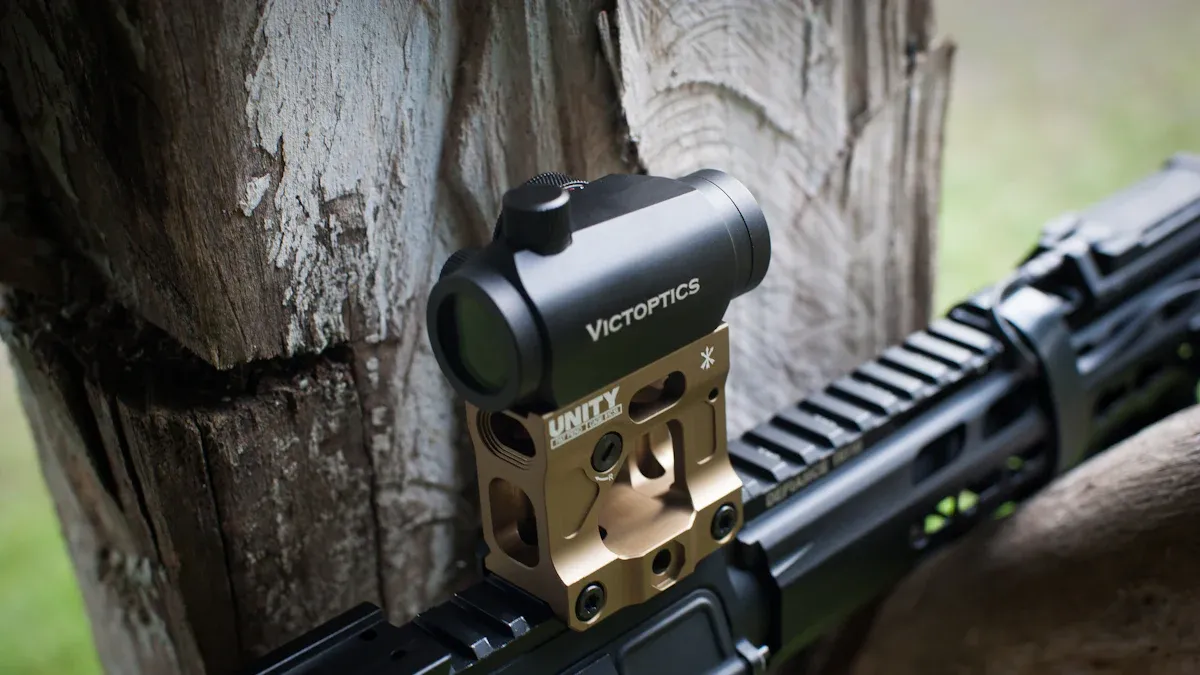
Reflex sights are among the most popular dot sight options due to their simplicity and speed. These sights use a non-magnifying optical system that projects a reticle onto a lens, allowing shooters to acquire targets quickly. Reflex sights excel in close-quarters scenarios, where rapid reactions are essential.
Reflex sights enable shooters to keep both eyes open, enhancing situational awareness and reducing eye strain during extended use.
A comparative analysis highlights their advantages over traditional iron sights:
| Performance Metric | Reflex Sights (Red Dot) | Iron Sights |
|---|---|---|
| Faster Target Acquisition | Yes | No |
| Ability to Keep Both Eyes on Target | Yes | No |
| Increased Accuracy | Yes | No |
| Performance in Low-Light Situations | Yes | Limited |
Reflex sights typically feature a dot reticle, with sizes ranging from 2 MOA for precision shooting to larger dots (3-6 MOA) for close-quarters battle. Their versatility makes them ideal for tactical use and recreational shooting.
Prismatic Sights
Prismatic sights differ from reflex models by offering fixed magnification, making them suitable for medium-range engagements. These sights use a prism to focus light, resulting in a compact design with enhanced optical clarity. Common magnification levels include 1.5x, 3x, and 5x, catering to various shooting needs.
| Type of Sight | Magnification | Price Range |
|---|---|---|
| Prism RDS | 3x | Under $100 |
| Prism RDS | 3x | Under $150 |
| Prism RDS | 2.5x | Under $300 |
| Prism RDS | 3x | Under $350 |
| Prism RDS | 5x | Under $500 |
Competitive shooters benefit significantly from prismatic sights. Studies show highly significant improvements in hit accuracy and reaction times (p < 0.01), making these sights a valuable tool for precision shooting sports. Their compact design also appeals to hunters seeking lightweight optics for extended field use.
Holographic Sights
Holographic sights represent cutting-edge technology in the dot sight category. Unlike reflex sights, they use a laser to create a holographic reticle, which appears to float in the shooter’s field of view. This design minimizes parallax errors and ensures consistent accuracy across varying angles.
EOTech’s holographic sights are renowned for their unique reticle configuration, featuring a 1 MOA dot surrounded by a 68 MOA ring. This combination provides versatility for both close-range and long-range engagements.
Holographic sights perform exceptionally well in low-light conditions, making them a preferred choice for tactical professionals and hunters operating at dawn or dusk.
While holographic sights tend to be more expensive than reflex and prismatic models, their advanced features justify the investment for users seeking unparalleled precision and durability.
Choosing the Right Dot Sight
Factors to Consider
Selecting the right dot sight requires careful evaluation of several factors. Each shooter has unique needs based on their intended use, skill level, and budget. The following considerations can help narrow down the options:
- Purpose: Determine the primary application. Tactical users may prioritize durability and rapid target acquisition, while hunters might need low-light performance and precision.
- Reticle Type: Choose between simple dot reticles or more complex configurations, such as those with additional aiming points for long-range shooting.
- Battery Life: Opt for models with extended battery life or solar-assisted power systems to avoid interruptions during use.
- Durability: Look for robust construction that can withstand harsh conditions, especially for outdoor activities.
- Weight and Size: Lightweight and compact designs are ideal for extended use, particularly in competitive shooting or hunting.
Tip: Beginners should start with user-friendly models that offer straightforward controls and minimal setup requirements.
Comparing Features of Different Dot Sights
Dot sights vary significantly in terms of features and performance. Comparing these aspects can help shooters make informed decisions. The table below highlights key differences between iron sights and red dot sights:
| Feature | Iron Sights | Red Dot Sights |
|---|---|---|
| Durability | Extremely durable | Durable and reliable |
| Reliability | Extremely reliable | Varies by model |
| Battery Requirement | None | Requires battery power |
| Cost | Cheaper | More expensive |
| Lowlight Performance | Not great for lowlight conditions | Adjustable dot illumination |
| Range | Not for long-range for average shooter | CQB to mid-range distances |
Red dot sights excel in low-light conditions due to their illuminated reticles. However, they rely on batteries, which may require frequent replacement depending on usage. Shooters seeking versatility often prefer red dot sights for their ability to perform well in close-quarters and mid-range scenarios.
Tips for Testing and Selecting a Dot Sight
Testing a dot sight before purchase ensures compatibility with the shooter’s needs. Follow these tips to evaluate and select the best option:
- Test Reticle Visibility: Check the reticle’s brightness and clarity under various lighting conditions. Ensure it remains visible in both bright sunlight and dim environments.
- Assess Parallax Performance: Move the sight slightly while aiming to confirm that the reticle stays aligned with the target. Minimal parallax ensures greater accuracy.
- Evaluate Build Quality: Inspect the housing for signs of durability. High-quality materials, such as aircraft-grade aluminum, provide better protection against wear and tear.
- Check Adjustment Controls: Test the ease of adjusting brightness, windage, and elevation. Smooth and precise controls enhance usability.
- Simulate Real-World Use: Mount the sight on a firearm and practice aiming at targets. This step helps determine whether the sight aligns with the shooter’s preferences and shooting style.
Note: Always consider the warranty and customer support offered by the manufacturer. These factors can provide peace of mind and ensure long-term satisfaction.
Dot sights have revolutionized the way shooters aim and acquire targets. By projecting a reticle onto a lens, they enhance accuracy and speed in various scenarios. Their benefits, including improved precision and versatility, make them indispensable for tactical professionals, hunters, and competitive shooters. Readers should explore available options and select a dot sight that aligns with their specific requirements.
FAQ
What is the difference between a reflex sight and a holographic sight?
Reflex sights use LEDs to project a reticle onto a lens. Holographic sights employ lasers to create a floating reticle, offering better accuracy and reduced parallax errors.
Can dot sights work in low-light conditions?
Yes, most dot sights feature illuminated reticles with adjustable brightness. This functionality ensures visibility in low-light environments, making them suitable for dawn, dusk, or indoor use.
How often should dot sights be calibrated?
Calibration depends on usage frequency and environmental factors. Regular users should check alignment monthly, while occasional users can calibrate before significant activities like hunting or competitions.
Post time: Apr-30-2025