
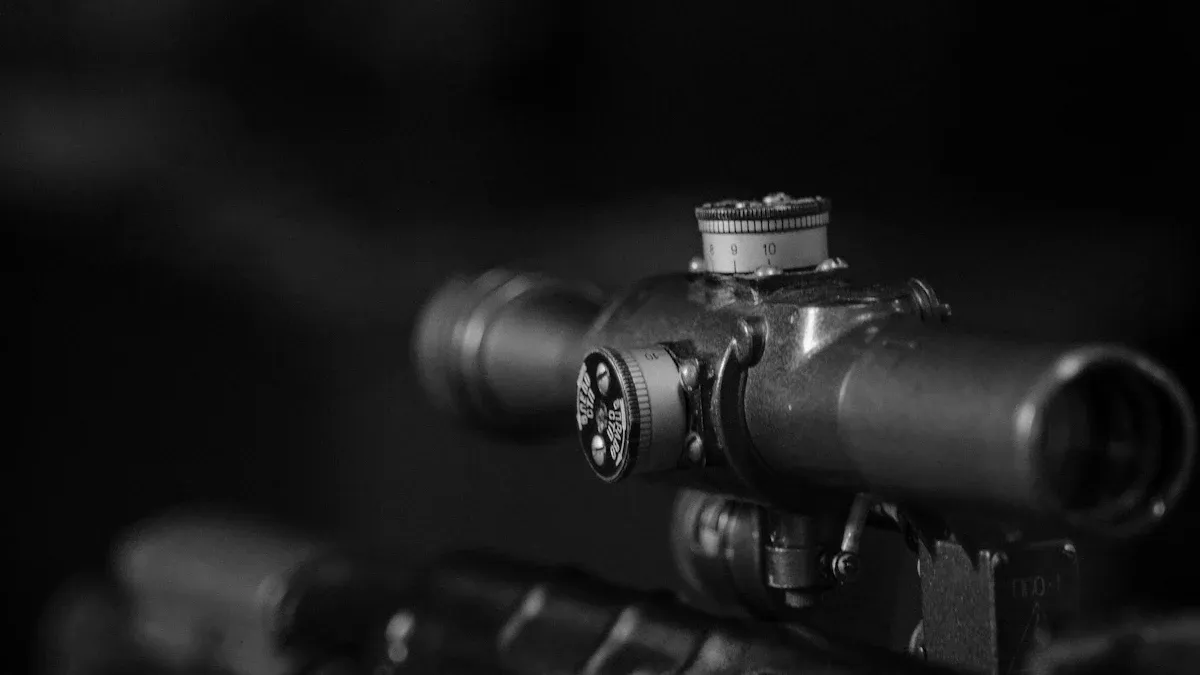
A high-quality rifle scope significantly enhances shooting accuracy and performance. The global fixed power rifle scope market, valued at approximately USD 1 billion in 2023, is expected to reach USD 1.6 billion by 2032. This growth highlights the increasing demand for precision tools, driven by advancements in optical technology. Features like better light transmission improve user experience. Hunters and shooting enthusiasts often pair their scopes with a rifle bipod for added stability, ensuring improved results. A durable rail system further supports the setup, offering reliable mounting solutions for various environments.
Key Takeaways
- Pick fixed or variable zoom based on your shooting needs. Fixed scopes are easier to use and last longer. Variable scopes let you adjust for different distances.
- Get good lenses with special coatings for clearer views. These lenses help you see better, even in dim light.
- Choose strong scopes that resist shocks, water, and fog. These features help the scope work well in any weather.
Magnification and Versatility
Fixed vs. Variable Magnification
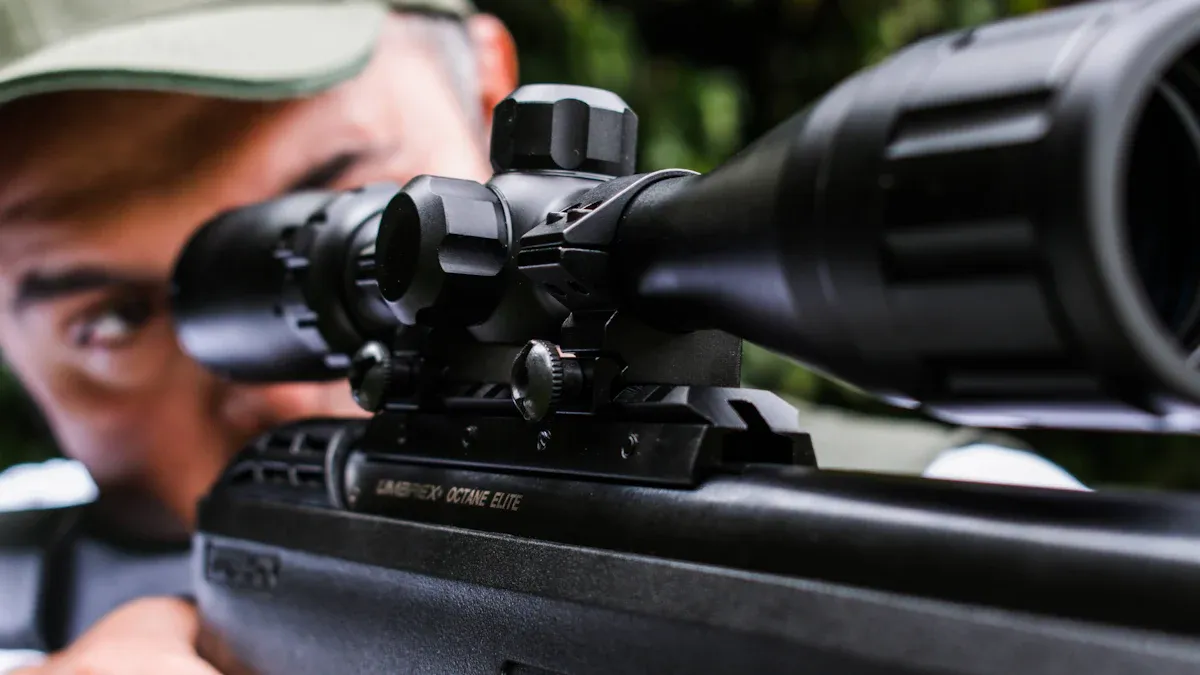
Magnification plays a crucial role in the performance of a rifle scope. Fixed magnification scopes offer a single, unchanging level of zoom. These scopes are simpler to use and often more durable due to fewer moving parts. They are ideal for shooters who consistently operate at a specific range, such as hunters targeting game in open fields. However, their lack of flexibility can limit their usefulness in varied shooting scenarios.
Variable magnification scopes, on the other hand, provide adjustable zoom levels. This versatility allows shooters to adapt to different distances and environments. For instance, a shooter can use lower magnification for close-range targets or moving objects and switch to higher magnification for long-range precision. Although variable scopes are more complex and may require additional adjustments, their adaptability makes them a popular choice for diverse shooting needs.
Choosing the Right Magnification Range
Selecting the appropriate magnification range depends on the intended use and shooting environment. Lower magnification, such as 1x to 4x, is suitable for short distances and dynamic situations where quick target acquisition is essential. Medium ranges, like 5x to 9x, work well for mid-range shooting, offering a balance between clarity and field of view. Higher magnifications, such as 10x or more, excel in long-range shooting, providing the precision needed to hit distant targets.
The environment also influences magnification choice. Open fields often allow for higher magnification, while dense forests or tight spaces may require lower settings for better maneuverability. A versatile rifle scope with a wide magnification range ensures optimal performance across various scenarios.
Lens Quality and Light Transmission
Coated Lenses for Clarity
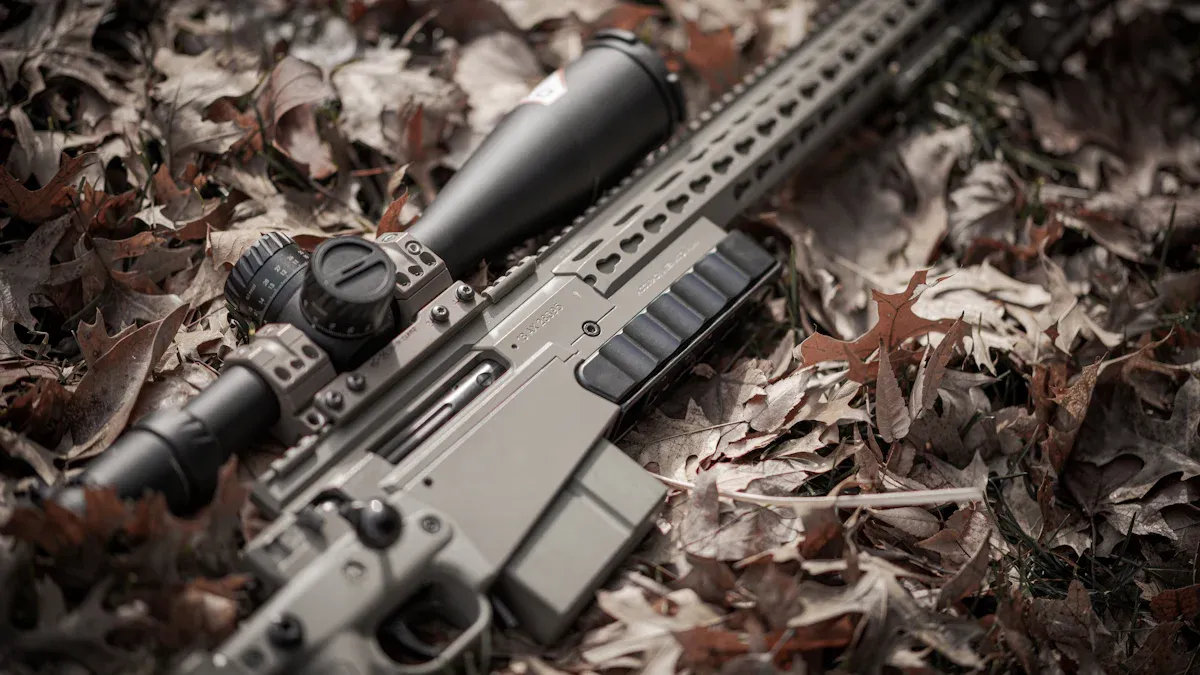
The quality of a rifle scope’s lens directly impacts its performance. Coated lenses play a vital role in enhancing clarity by reducing glare and improving light transmission. Advanced coatings, such as the Super HiVision Meiryo EX4, have demonstrated remarkable results. This coating reduces reflectance by 56% compared to leading competitors, significantly improving image clarity. Such advancements ensure that shooters can rely on their scopes for precise targeting, even in challenging lighting conditions.
Coated lenses also enhance the shooter’s experience by minimizing distractions caused by reflections. Studies reveal that individuals perceive greater connection and empathy when viewing through coated lenses. For rifle scopes, this translates to a clearer, more focused view of the target, which is essential for accuracy. By investing in a scope with high-quality coatings, shooters can achieve better results in various environments.
Objective Lens Diameter and Brightness
The objective lens diameter determines how much light enters the scope, directly affecting image brightness. Larger objective lenses allow more light to pass through, resulting in a brighter and clearer image. This feature becomes particularly important in low-light conditions, such as dawn or dusk, when visibility is limited.
The relationship between objective lens size and brightness can be quantified using the exit pupil. Dividing the objective lens diameter by the magnification provides the exit pupil value, which indicates the apparent brightness of the image. Lower magnification increases the exit pupil, delivering more light to the shooter’s eye. For example, a 40x Plan Apochromatic lens with a numerical aperture (NA) of 0.95 produces an image four times brighter than a 40x Plan Achromat lens with an NA of 0.47. Oil immersion lenses, with even higher NAs, offer significantly brighter images under similar conditions.
Shooters should consider their typical shooting environment when selecting a rifle scope. A larger objective lens may provide better performance in open fields, while a smaller lens might suffice in well-lit or confined spaces.
Reticles and Aiming Precision
Reticle Types for Different Shooting Styles
Reticles serve as the aiming guide within a rifle scope, playing a vital role in shot accuracy. Different reticle designs cater to various shooting styles and scenarios. Popular options include duplex, mil-dot, and bullet drop compensator (BDC) reticles. These designs help shooters estimate shot placement by providing markings that calculate where bullets will land at different distances. For example, a duplex reticle, with its thick outer lines and thin center crosshair, is ideal for general hunting. Mil-dot reticles, on the other hand, are preferred for tactical shooting and long-range precision due to their ability to measure distance and windage.
The construction of reticles also varies. Wire reticles are simple and cost-effective, while glass-etched reticles offer durability and compatibility with illuminated features. Fiber reticles, often found in advanced optics, provide enhanced visibility. Shooters can choose from a wide range of patterns, including tapered, ultra-thin, ballistic compensating, and range-finding reticles. Each type is tailored to specific needs, such as varmint hunting, hog hunting, or tactical operations.
Illuminated Reticles for Low-Light Conditions
Illuminated reticles enhance visibility in low-light environments, making them indispensable for dawn or dusk shooting. These reticles provide a clear aiming point, ensuring accuracy when traditional crosshairs might blend into the background. For hunters, this feature can extend shooting time by approximately 15 minutes during critical periods when game is most active. In dense cover or heavy foliage, illuminated reticles offer the contrast needed to maintain precision.
This feature is particularly beneficial for individuals with aging eyes or those who frequently shoot in dim conditions. By providing a bright and visible aiming reference, illuminated reticles improve confidence and effectiveness. Advanced rifle scopes with illuminated reticles are a valuable investment for anyone seeking reliable performance in challenging lighting scenarios.
Durability and Environmental Resistance
Shockproof, Waterproof, and Fog-Proof Features
Durability is a critical factor when selecting a rifle scope, especially for outdoor enthusiasts who face unpredictable conditions. Advanced scopes incorporate features like shockproof, waterproof, and fog-proof designs to ensure reliability in challenging environments.
- Nitrogen Purging: This process replaces the air inside the scope with dry nitrogen. It prevents fogging by eliminating moisture condensation, ensuring clear visibility in humid or cold conditions.
- Waterproofing: Nitrogen also protects against corrosion and moisture damage, making the scope suitable for wet environments like rain-soaked forests or marshlands.
- Shockproof Design: Scopes are engineered to withstand the recoil of high-caliber rifles. This ensures they maintain accuracy and reliability even after repeated impacts.
These features allow shooters to focus on their targets without worrying about environmental factors affecting their equipment. Whether hunting in heavy rain or shooting in freezing temperatures, a durable scope ensures consistent performance.
Materials for Long-Term Reliability
The materials used in a rifle scope significantly impact its longevity. High-quality scopes often feature aircraft-grade aluminum or magnesium alloy bodies. These materials provide a lightweight yet sturdy construction, capable of withstanding harsh conditions.
Protective coatings on the exterior further enhance durability by resisting scratches and abrasions. Additionally, O-ring seals create a watertight barrier, preventing dust and debris from entering the scope. These design elements ensure the scope remains functional over years of use, even in rugged terrains.
Investing in a well-constructed scope not only enhances performance but also reduces the need for frequent replacements. Shooters can rely on their equipment for extended periods, making it a cost-effective choice for long-term use.
User-Friendly Adjustments
Eye Relief for Comfort and Safety
Eye relief refers to the distance between the shooter’s eye and the rifle scope’s eyepiece while maintaining a full field of view. This feature plays a critical role in ensuring comfort and safety during shooting. A scope with insufficient eye relief can cause discomfort or even injury, especially when using high-recoil firearms. Conversely, excessive eye relief may force the shooter to strain their neck or compromise their shooting position.
Ergonomic studies highlight the importance of consistent eye relief for precision shooting. The following table summarizes key findings:
| Key Point | Description |
|---|---|
| Eye Relief Variation | Eye relief often changes with magnification, affecting shooter comfort. |
| Natural Point of Aim | Maintaining a natural point of aim is crucial for precision shooting. |
| Compromise in Shooting Position | Significant variation in eye relief can force shooters to adjust their position, impacting safety and comfort. |
Shooters should select a scope with adequate and consistent eye relief to maintain a natural shooting posture. This ensures both accuracy and safety, particularly during extended shooting sessions.
Turrets for Windage and Elevation Precision
Turrets are essential for adjusting windage and elevation, allowing shooters to fine-tune their aim based on environmental factors like wind speed and target distance. High-quality turrets provide precise and repeatable adjustments, ensuring the rifle scope remains accurate in various conditions.
Calibration tests confirm the reliability of turret adjustments. For example:
- The Horus Calibration and Training System (CATS) targets validate the accuracy and repeatability of turret adjustments for both elevation and windage.
- The Horus 0280F Calibration Target includes a cant compass, ensuring precise alignment during turret adjustments.
These features allow shooters to make quick and accurate corrections, even in challenging environments. Reliable turrets enhance the overall shooting experience by providing confidence in every shot.
A high-quality rifle scope enhances shooting performance by combining essential features like magnification, lens clarity, and durable construction. Reliable optics improve accuracy through clearer images and quicker target acquisition. Shooters benefit from faster, more precise shots, making a dependable scope a valuable investment. Tailoring the scope to specific needs ensures satisfaction and optimal results.
Post time: Apr-23-2025