
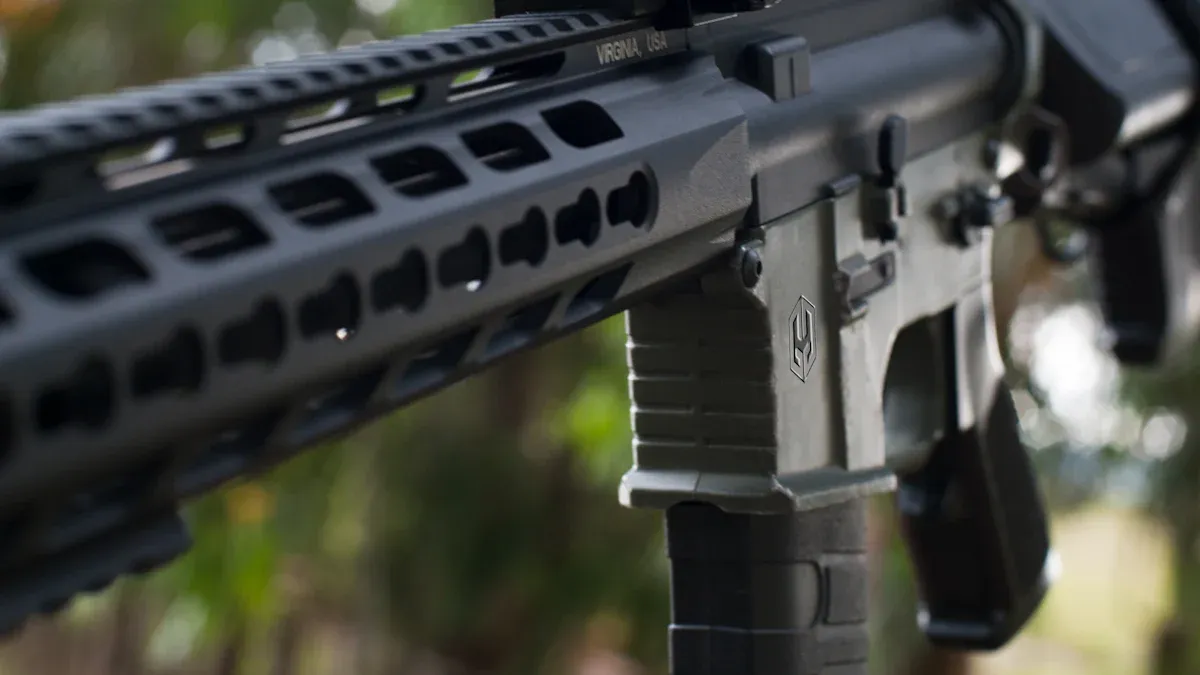
Low-profile scope rings elevate the shooting experience for AR-15 users. They offer a stable mount for optics while ensuring proper alignment with the rail system. These accessories reduce bulk, improve ergonomics, and enhance accuracy. Shooters benefit from better control and precision, especially when using rifles with a 50mm objective lens.
Key Takeaways
- Low-profile scope rings help you aim better by lowering parallax errors. They keep the scope close to the barrel for a steady view.
- Picking the right scope rings means checking if they fit your rifle’s rail. Make sure there’s enough space for the lens and measure the height from the barrel to the scope.
- Low-profile rings make shooting more comfortable by helping your cheek rest naturally. This makes it easier to shoot longer without getting tired, which is great for accurate shooting.
Understanding Scope Rings
What Are Low-Profile Scope Rings?
Low-profile scope rings are mounting devices designed to secure a rifle scope close to the firearm’s barrel. These rings minimize the distance between the scope and the bore axis, which helps shooters maintain a consistent line of sight. By keeping the scope closer to the barrel, low-profile rings reduce parallax errors and improve accuracy. They are particularly useful for rifles with larger objective lenses, such as 50mm, as they provide a stable and precise mounting solution.
The evolution of scope rings has been shaped by advancements in firearm optics. In 1837, the first telescopic sights emerged, leading to the development of basic scope rings. By the 1980s and 1990s, manufacturers introduced 11mm mounts for dovetail grooves, enhancing compatibility and stability. Today, modern scope rings come in various sizes and materials, accommodating diameters of 1", 30mm, and 34mm. These innovations ensure durability and precision for a wide range of shooting applications.
Differences Between Low, Medium, and High-Profile Rings
Scope rings are categorized by their height, which determines how far the scope sits above the rifle’s barrel. Each profile offers unique advantages depending on the shooter’s needs. The table below highlights key differences:
| Feature | Low Profile | Medium Profile | High Profile |
|---|---|---|---|
| Height | 0.80" | 1.00" | 1.20" |
| Box Test Tracking | Excellent | Excellent | Excellent |
| Reticle Alignment | Perfectly centered | Perfectly centered | Perfectly centered |
| Groupings at 100 Yards | Sub-MOA | Sub-MOA | Sub-MOA |
| Groupings at 300 Yards | ~1.5 MOA | ~1.5 MOA | ~1.5 MOA |
Low-profile rings offer the closest alignment to the barrel, making them ideal for precision shooting. Medium-profile rings provide a balance between clearance and stability, while high-profile rings accommodate larger scopes or additional accessories. Shooters should consider their rifle setup and intended use when selecting the appropriate profile.
Compatibility with 50mm Objective Lenses
Ensuring Proper Clearance
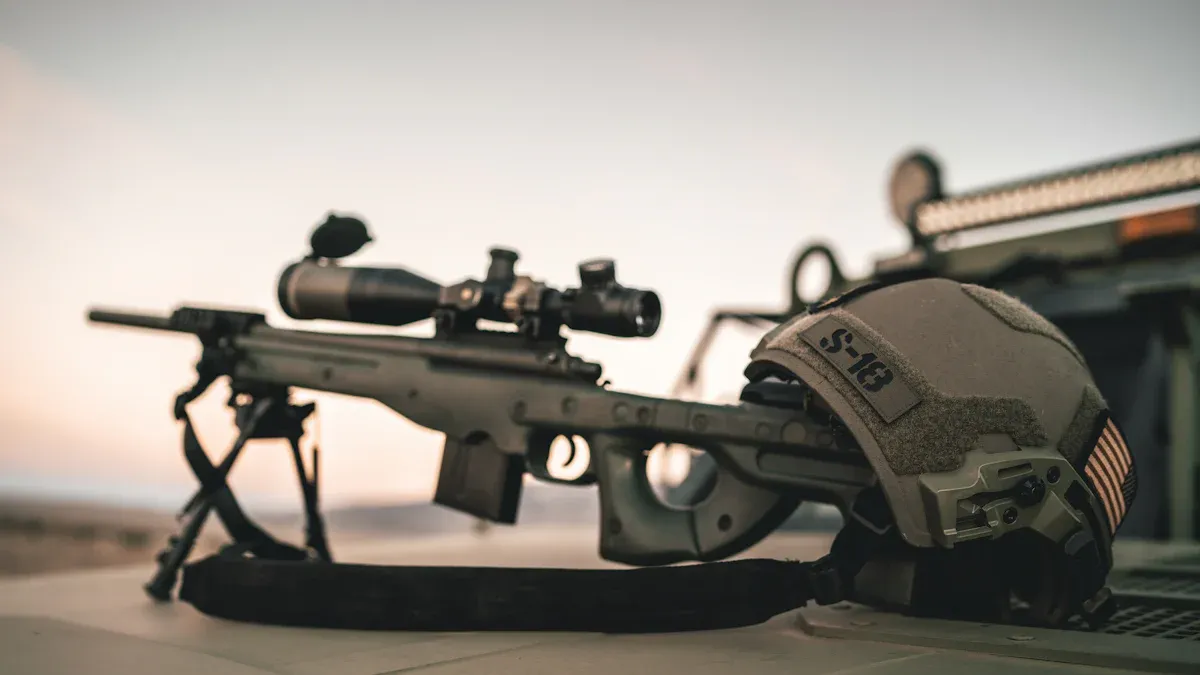
Proper clearance is essential when mounting a scope with a 50mm objective lens. The lens must sit high enough to avoid contact with the rifle barrel while maintaining a low profile for improved accuracy. Low-profile scope rings are designed to achieve this balance. However, users must ensure that the objective lens does not touch the barrel or any other part of the firearm.
To determine the correct clearance, shooters should measure the height of the scope rings and compare it to the diameter of the objective lens. Medium-height rings often work well for most setups, but extremely low mounts can cause discomfort and interfere with cheek weld. Additionally, backup iron sights may require extra consideration. The mount height and eyepiece diameter must align to ensure compatibility without obstructing the sight picture.
Addressing Mounting Height Concerns
Mounting height plays a critical role in the performance and comfort of a rifle setup. Low-profile scope rings keep the scope closer to the barrel, which enhances accuracy by reducing parallax. However, improper mounting height can lead to issues such as poor alignment and difficulty achieving a proper shooting position.
When selecting scope rings, shooters should evaluate their specific needs. For example:
- Medium-height rings are generally suitable for most riflescope setups.
- Extremely low mounting can result in an uncomfortable shooting posture.
- Backup iron sights and other accessories may require adjustments to the mounting height.
By carefully considering these factors, users can avoid common pitfalls and ensure their scope is mounted at the optimal height for their rifle and shooting style.
Achieving Optimal Eye Relief
Eye relief refers to the distance between the shooter’s eye and the scope’s eyepiece. Achieving the correct eye relief is crucial for a clear sight picture and comfortable shooting experience. Low-profile scope rings can help maintain proper alignment, but users must take additional steps to ensure optimal eye relief.
To test and adjust eye relief:
- Confirm the rifle is unloaded and the action is open.
- Set the scope to its highest magnification if it is variable.
- Hold the rifle in a natural shooting position, close the aiming eye, and bring the rifle to aim.
- Open the eye and check for a full-sight picture. Adjust the scope position if necessary.
- Repeat the process while wearing any gear typically used during shooting, such as glasses or a helmet.
This method ensures that the scope is positioned correctly for consistent performance. Proper eye relief not only improves accuracy but also prevents discomfort during extended shooting sessions.
Benefits of Low-Profile Scope Rings
Improved Accuracy and Stability
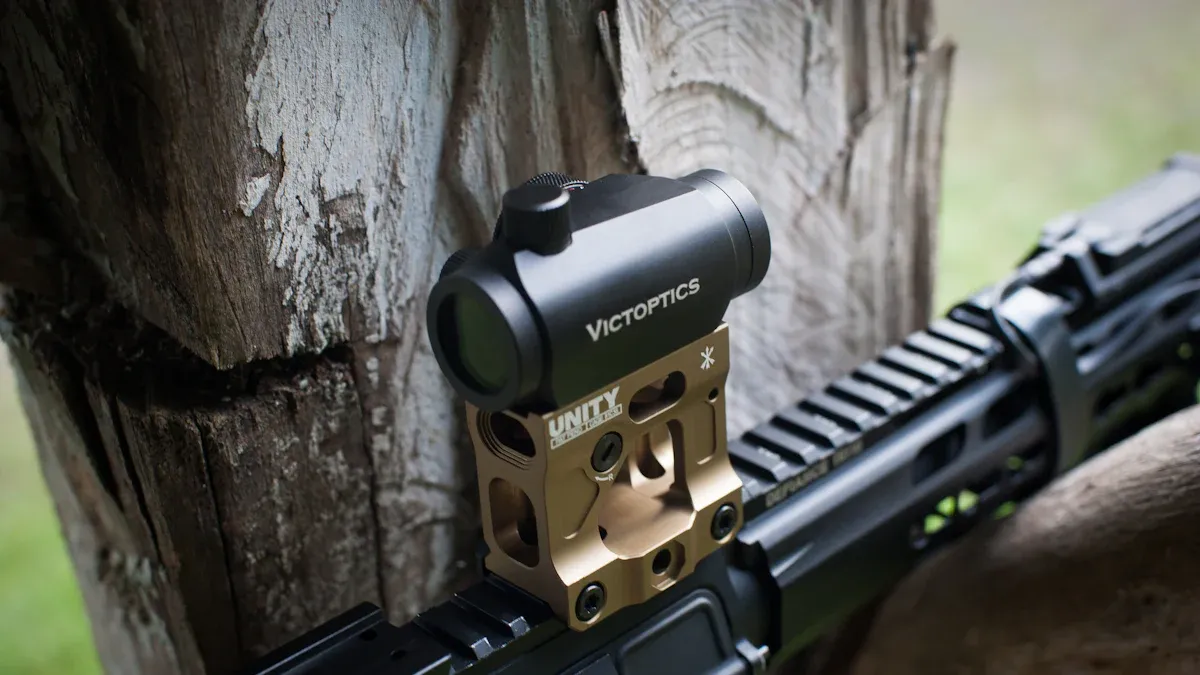
Low-profile scope rings significantly enhance accuracy and stability during shooting. Their design keeps the scope closer to the rifle’s barrel, reducing parallax error and improving shot placement. This proximity ensures a consistent line of sight, which is essential for precision shooting. The robust construction of these rings provides a solid foundation, minimizing movement and ensuring the scope remains zeroed even after extensive use.
A detailed performance analysis highlights the advantages of low-profile scope rings:
| Feature | Description |
|---|---|
| Stability | Provides a rock-solid foundation that minimizes movement, ensuring the scope remains zeroed. |
| Accuracy | Tested extensively to meet high standards, offering repeatable results even after heavy use. |
| Low Profile Design | Reduces the chance of parallax error, enhancing overall accuracy. |
| Clamping Mechanism | Secure clamping minimizes the risk of scope movement, providing a stable platform for shot placement. |
| Robust Construction | Ensures the rings hold zero even after extensive use, contributing to improved stability metrics. |
Products like the TRIJICON SCOPE RINGS W/QLOC 35MM LOW exemplify these benefits. Their precision machining ensures a secure fit, minimizing play between the scope and the rings. Shooters can rely on these rings for repeatable results, even under demanding conditions.
Enhanced Shooting Ergonomics
Low-profile scope rings improve shooting ergonomics by promoting a natural and comfortable shooting position. By keeping the scope closer to the barrel, these rings allow shooters to maintain a proper cheek weld, which is crucial for stability and accuracy. A consistent cheek weld reduces strain on the neck and shoulders, enabling extended shooting sessions without discomfort.
The design also facilitates quicker target acquisition. Shooters can align their sights more efficiently, reducing the time needed to aim. This advantage is particularly valuable in dynamic shooting scenarios, such as hunting or competitive shooting. The 34MM LOW SCOPE RINGS are a prime example of how ergonomic design enhances performance. Their low-profile construction ensures a seamless connection between the shooter and the rifle, improving overall handling and control.
Streamlined Design and Reduced Weight
Low-profile scope rings feature a streamlined design that minimizes bulk and reduces the overall weight of the rifle setup. This reduction in weight enhances maneuverability, making the rifle easier to handle in various shooting environments. A lighter setup is especially beneficial for hunters and tactical shooters who need to carry their rifles for extended periods.
The compact design also contributes to a cleaner aesthetic. By reducing the height of the scope, these rings create a sleek and unobtrusive profile. This streamlined appearance not only improves functionality but also adds to the rifle’s visual appeal. Products like the TRIJICON SCOPE RINGS W/QLOC 35MM LOW demonstrate how precision engineering can achieve both form and function. Their robust yet lightweight construction ensures durability without compromising on weight savings.
Choosing the Right Scope Rings
Material and Durability Considerations
The material of scope rings plays a critical role in their performance and longevity. Aluminum and steel are the most common materials used. Aluminum rings are lightweight and resistant to corrosion, making them ideal for hunters who need to carry their rifles over long distances. Steel rings, on the other hand, offer superior strength and durability, which is essential for tactical shooters or those using high-recoil firearms.
For example, a shooter using a .308 Winchester for hunting may prefer aluminum rings to reduce the overall weight of their setup. Conversely, a competitive shooter using a .338 Lapua Magnum would benefit from the robustness of steel rings to handle the recoil. Selecting the right material ensures the rings can withstand the demands of the shooting environment.
Fit for AR-15 Rail Systems
AR-15 rifles typically feature Picatinny or Weaver rail systems. Scope rings must be compatible with these rails to ensure a secure fit. Picatinny rails have standardized spacing, while Weaver rails may vary slightly. Most modern scope rings are designed to fit both systems, but shooters should verify compatibility before purchasing.
For instance, a shooter upgrading their AR-15 with a 50mm objective lens scope should choose rings specifically labeled for Picatinny or Weaver rails. This ensures proper alignment and prevents the scope from shifting during use.
Ensuring Compatibility with 50mm Objective Lenses
A 50mm objective lens requires scope rings that provide adequate clearance while maintaining a low profile. Measuring the height from the rifle barrel to the bottom of the scope tube helps determine the correct ring height. Low-profile rings often work well, but medium-profile rings may be necessary if the rifle has additional accessories, such as backup iron sights.
For example, a shooter using a 50mm scope on an AR-15 with a free-floating handguard might opt for medium-profile rings to avoid interference. Ensuring compatibility prevents issues like barrel contact and maintains a clear sight picture.
Are Low-Profile Scope Rings the Best Choice?
Checklist for Decision-Making
Choosing the right scope rings involves evaluating several factors. Shooters must consider their rifle setup, shooting style, and the scope’s specifications. A checklist simplifies this process and ensures informed decisions:
- Objective Lens Size: Measure the diameter of the scope’s objective lens. A 50mm lens often pairs well with low-profile rings, but clearance must be verified.
- Rail System Compatibility: Confirm whether the rifle uses Picatinny or Weaver rails. Scope rings must align securely with the rail system.
- Shooting Position: Assess the typical shooting posture. Low-profile rings promote a natural cheek weld, but medium rings may suit taller shooters.
- Accessories: Check for additional gear like backup iron sights or thermal optics. These may require higher mounting solutions.
- Recoil Management: Consider the rifle’s caliber. High-recoil firearms benefit from robust rings, often made of steel.
Tip: Test the setup before finalizing the purchase. Mount the scope temporarily and verify comfort, alignment, and sight picture clarity.
When to Consider Medium or High-Profile Rings
Low-profile rings excel in precision shooting, but they aren’t always the best choice. Certain scenarios call for medium or high-profile rings:
- Large Objective Lenses: Scopes with lenses exceeding 50mm often require medium or high-profile rings to prevent barrel contact.
- Backup Iron Sights: Rifles equipped with iron sights may need higher rings to avoid obstructing the sight picture.
- Tall Shooters: Individuals with longer necks or larger frames may find medium rings more ergonomic for achieving a proper cheek weld.
- High-Recoil Firearms: Rifles chambered in calibers like .300 Win Mag or .338 Lapua Magnum benefit from high-profile rings. These rings provide additional clearance and stability under heavy recoil.
For example, a hunter using a 56mm scope on a bolt-action rifle might opt for medium-profile rings to ensure proper clearance. Similarly, a competitive shooter with a high-recoil rifle may prefer high-profile rings for added durability and comfort.
Note: Medium and high-profile rings offer versatility but may compromise the streamlined design and weight savings of low-profile options. Shooters should weigh these trade-offs carefully.
Low-profile scope rings transform the shooting experience by enhancing accuracy, ergonomics, and handling. Their streamlined design benefits AR-15 users with 50mm objective lenses. Shooters should assess their rifle setup, shooting style, and scope specifications.
Tip: Testing different configurations ensures the best fit for comfort and performance.
FAQ
What are the main advantages of low-profile scope rings?
Low-profile scope rings improve accuracy, enhance ergonomics, and reduce rifle weight. Their streamlined design ensures a natural shooting position and better handling for precision shooting or dynamic scenarios.
Can low-profile scope rings fit all rifles?
No, compatibility depends on the rifle’s rail system and scope size. Shooters must verify the rail type (Picatinny or Weaver) and ensure proper clearance for the objective lens.
How do I measure the correct ring height for a 50mm objective lens?
Measure from the rifle barrel to the bottom of the scope tube. Ensure the rings provide enough clearance for the lens without compromising the shooting position or cheek weld.
Tip: Always test the setup before finalizing your purchase to ensure proper alignment and comfort.
Post time: May-09-2025