
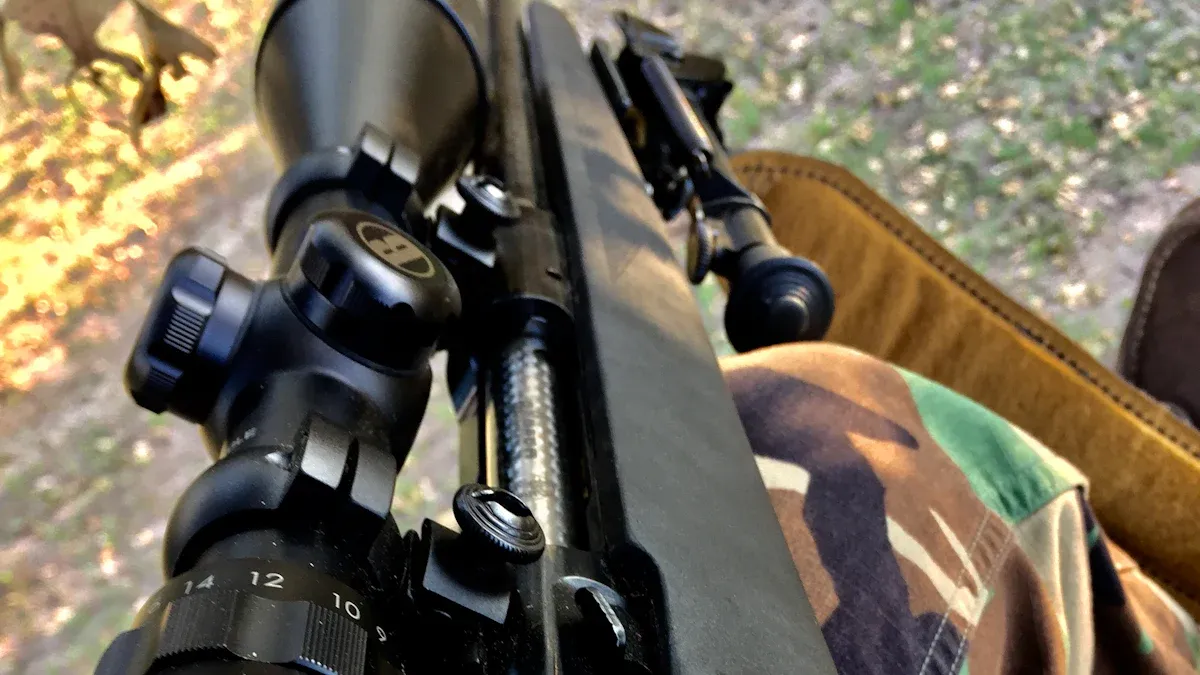
Modern optics demand precision, and 30mm scope rings are essential accessories that deliver unmatched reliability. Their compatibility with Picatinny and Weaver rails ensures seamless integration across various setups for your rifle scope. Proper torque application, especially the 65in-lb spec, prevents damage while enhancing stability. Selecting the right scope rings and using the correct tools significantly improve rifle scope accuracy and extend durability.
Key Takeaways
- 30mm scope rings help with accurate shooting by fitting bigger scope tubes. This allows better height adjustments.
- Tightening screws to 65in-lb is important for steadiness. It also stops damage to the scope and gun.
- Picking the right scope rings means matching them to your rail. Think about the material and height for best results.
Why 30mm Scope Rings Are Essential for Modern Optics
Benefits of 30mm Scope Rings for Precision Shooting
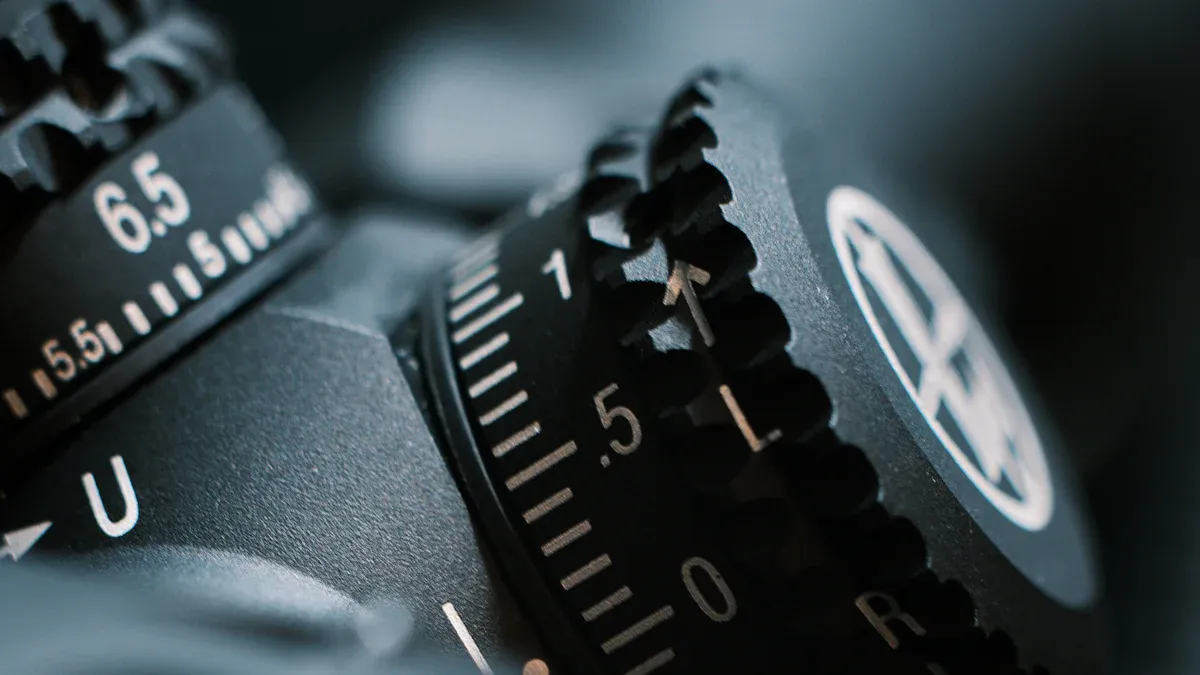
30mm scope rings have become a cornerstone for precision shooting due to their ability to accommodate larger scope tube diameters. This design provides a greater range of elevation adjustments, which is crucial for long-range shooting. Shooters benefit from the increased flexibility, allowing them to fine-tune their optics for various distances and conditions.
While some may assume that larger tube diameters automatically enhance light transmission, this is not always the case. Most 30mm scopes use lenses similar in size to those found in 1-inch tubes. However, the structural advantages of 30mm scope rings, such as improved durability and stability, make them a preferred choice for precision shooters. These features ensure that the scope remains securely mounted, even under the recoil of high-caliber rifles.
Tip: Pairing 30mm scope rings with a high-quality optic can significantly improve accuracy and consistency, especially for long-range applications.
Compatibility with Picatinny Rails and Versatility
One of the standout features of 30mm scope rings is their compatibility with Picatinny rails. This standardized mounting system allows shooters to easily attach and adjust their optics without the need for specialized tools. The versatility of Picatinny rails ensures that 30mm scope rings can be used across a wide range of firearms, from hunting rifles to tactical setups.
The adaptability of 30mm scope rings extends beyond their compatibility with Picatinny rails. They also work seamlessly with Weaver rails, making them a versatile option for shooters who own multiple firearms. This flexibility eliminates the need for purchasing different mounting systems, saving both time and money.
Note: When selecting scope rings, ensure they are designed to fit your specific rail system. This will prevent alignment issues and maintain the integrity of your setup.
Popularity Among Hunters and Competitive Shooters
The growing demand for powerful optics has solidified the popularity of 30mm scope rings among hunters and competitive shooters. These rings are often associated with high-performance scopes that offer greater magnification and wider power ranges. This makes them ideal for scenarios requiring precision and adaptability, such as long-range hunting or competitive shooting events.
Market trends indicate a shift towards larger objective lenses and advanced optics, further driving the preference for 30mm scope rings. High-end clients, particularly those investing in premium rifles and scopes, frequently choose 30mm rings for their ability to support these advanced systems. Hunters appreciate the durability and reliability of these rings in rugged outdoor conditions, while competitive shooters value their precision and stability during high-stakes matches.
Insight: The increasing popularity of 30mm scope rings reflects a broader trend in the shooting community towards more powerful and versatile optics.
The Importance of the 65in-lb Torque Spec
How the Torque Spec Ensures Stability and Prevents Damage
The 65in-lb torque specification plays a critical role in maintaining the stability of scope rings and preventing potential damage to both the scope and the firearm. Proper torque application ensures that the scope remains securely mounted, even under the stress of repeated recoil. This stability is essential for maintaining accuracy, as any movement or misalignment can cause a shift in the point of impact.
Over-tightening or under-tightening the screws can lead to significant issues. Excessive torque can strip screws or damage the scope tube, while insufficient torque may allow the scope to slip within the rings. Both scenarios compromise the performance and longevity of the equipment. By adhering to the 65in-lb specification, shooters can achieve the perfect balance between security and protection.
Tip: Always use a torque wrench calibrated for inch-pounds to ensure precise application of the 65in-lb spec.
Common Mistakes in Torque Application
Improper torque application is a common issue that can lead to performance failures. Shooters often make mistakes such as over-tightening screws, assuming it will provide extra security, or under-tightening due to fear of damaging the scope. Both errors can have serious consequences.
The table below highlights common mistakes and their associated outcomes:
| Mistake Type | Consequence |
|---|---|
| Under-tightening | Scope may slip in the rings, causing a shift in point of impact, potentially leading to missed shots. |
| Over-tightening | Can damage the scope or strip screws, making removal difficult. |
| Torque Specifications | Recommended torque values range from 15 to 25 inch-pounds depending on scope type. |
To avoid these pitfalls, shooters should follow manufacturer guidelines and use the appropriate tools. A torque wrench is indispensable for achieving the correct tension without guesswork.
Note: Regularly inspect the screws for signs of wear or damage, especially after prolonged use or exposure to harsh conditions.
Why Proper Torque Is Crucial for Performance and Durability
Proper torque application is not just about securing the scope; it directly impacts the performance and durability of the entire setup. Field tests and statistical analyses from various industries, including maxillofacial surgery, emphasize the importance of precise torque application. While these studies focus on medical screws, the principles apply to scope rings as well.
- Proper torque application ensures screw stability, reducing the risk of loosening or breakage.
- Insufficient torque can lead to mobility, causing misalignment and reduced accuracy.
- Excessive torque may result in stripped screws or damage to the mounting surface.
A systematic review revealed that 26% of screws in surgical applications were damaged or stripped due to inconsistent torque application. This statistic underscores the importance of precision when tightening screws, whether in medical or shooting contexts.
For shooters, adhering to the 65in-lb torque spec ensures that the scope rings remain secure without compromising the integrity of the scope or firearm. This precision translates to consistent accuracy, even in demanding conditions.
Insight: Investing in a high-quality torque wrench and following the 65in-lb specification can significantly enhance the reliability and lifespan of your scope rings.
Selecting and Installing Scope Rings for Picatinny Rails
Choosing the Right Scope Rings for Your Setup
Selecting the correct scope rings requires careful consideration of your firearm, optic, and rail system. Shooters should prioritize compatibility with Picatinny rails, ensuring the rings align perfectly with the scope tube diameter. For 30mm scopes, rings designed specifically for this size offer optimal stability and performance.
Material and construction quality play a significant role in durability. Aluminum rings provide lightweight options, while steel rings offer enhanced strength for high-caliber rifles. Height is another critical factor. Low-profile rings work well for smaller objective lenses, while taller rings accommodate larger optics without obstructing the rifle’s barrel.
Tip: Always verify the manufacturer’s specifications for your scope and firearm to avoid misalignment or improper fit.
Step-by-Step Installation Guide for Scope Rings
Proper installation ensures the scope remains secure and aligned. Follow these steps for a reliable setup:
- Prepare the Rail: Clean the Picatinny rail to remove debris or oil.
- Position the Rings: Attach the scope rings loosely to the rail, ensuring even spacing.
- Mount the Scope: Place the scope within the rings, adjusting its position for eye relief and reticle alignment.
- Secure the Rings: Tighten the screws incrementally, alternating between sides to maintain even pressure.
- Apply Torque: Use a calibrated torque wrench to tighten screws to the recommended 65in-lb specification.
Note: Recheck alignment after tightening to ensure the scope remains centered.
Tools and Accessories for Proper Torque Application
Using the right tools guarantees precision and prevents damage during installation. A torque wrench calibrated for inch-pounds is essential for achieving the correct tension. Digital torque testers or transducers can measure torque output, ensuring accuracy.
| Specification | Recommendation |
|---|---|
| Calibration Frequency | Every 6 months – 1 year or after 5,000 cycles |
| Rigorous Use | More frequent calibrations may be justified |
Additional accessories, such as scope leveling kits, help maintain alignment during installation. Shooters should also consider fasteners designed to handle calculated clamping forces for added reliability.
- Checklist for Tools:
- Torque wrench calibrated for inch-pounds.
- Scope leveling kit for precise alignment.
- Cleaning supplies for rail preparation.
Insight: Regular calibration of tools ensures consistent performance and extends their lifespan.
30mm scope rings remain indispensable for modern optics, offering unmatched compatibility with Picatinny rails and ensuring precision in various shooting scenarios. Adhering to the 65in-lb torque specification guarantees stability and prevents damage, enhancing both performance and durability.
Best practices for selecting and installing scope rings ensure long-term reliability. Shooters who follow these guidelines report improved accuracy and consistency. For example:
- Effective performance management builds an engaged shooting community.
- Recognizing the importance of proper installation motivates users to maintain their equipment.
- A balance of precision and care ensures optimal results.
| Statistic | Implication |
|---|---|
| 92% of users recommend regular maintenance | Consistent care improves performance |
| 14.9% fewer issues reported with proper torque | Correct torque application reduces equipment failure |
Tip: Investing in high-quality tools and following manufacturer guidelines ensures a secure and accurate setup.
FAQ
What happens if scope rings are not torqued to the recommended 65in-lb specification?
Improper torque can cause misalignment, damage to the scope tube, or loosening during recoil. Following the 65in-lb spec ensures stability and accuracy.
Can 30mm scope rings fit on Weaver rails?
Yes, most 30mm scope rings are compatible with Weaver rails. However, shooters should confirm compatibility to avoid alignment issues or improper mounting.
Are aluminum or steel scope rings better for high-caliber rifles?
Steel scope rings offer superior strength and durability, making them ideal for high-caliber rifles. Aluminum rings are lighter but may not handle heavy recoil as effectively.
Tip: Always match the material of your scope rings to your shooting needs for optimal performance.
Post time: May-09-2025