
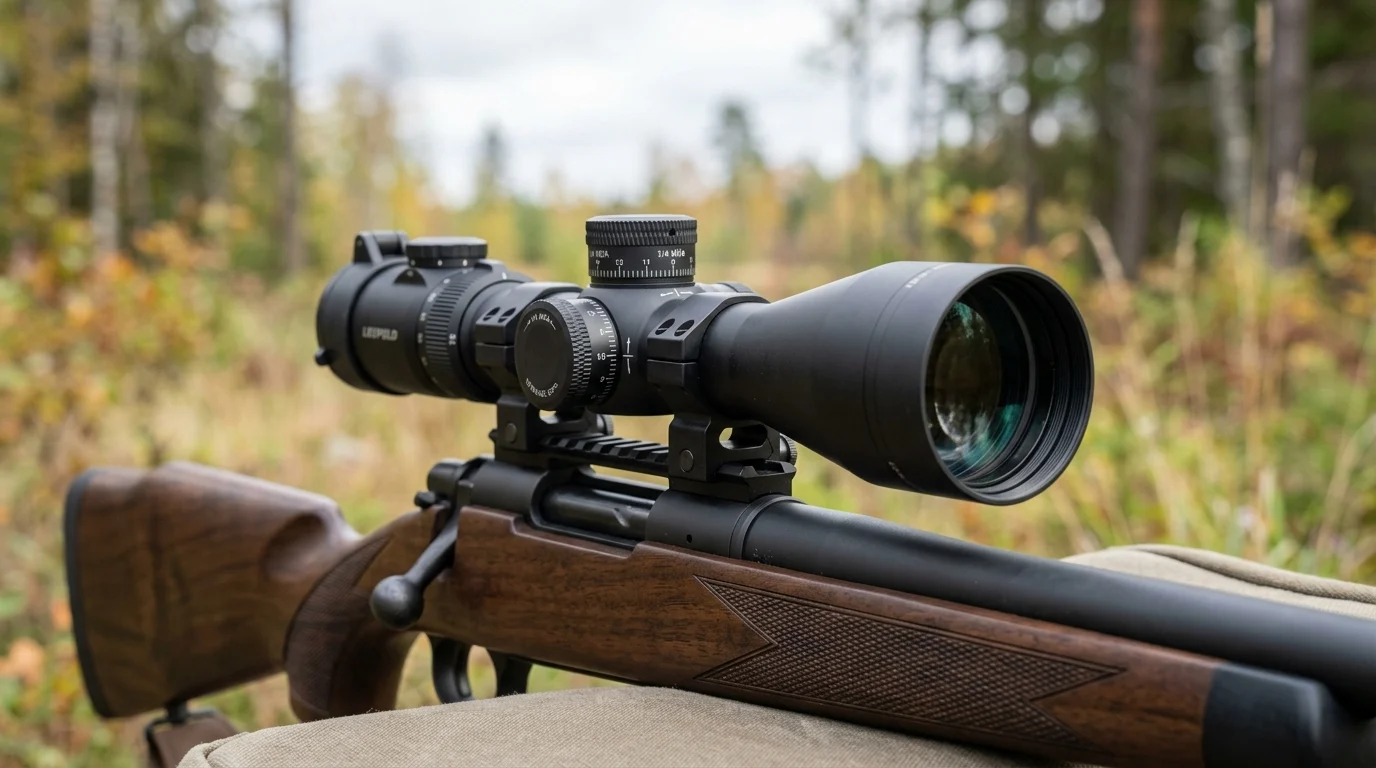
A dependable hunting optic does not have to cost as much as the rifle it sits on. In the sub-$500 range, today’s scopes can offer fully multi-coated glass, repeatable adjustments, weather resistance, and enough durability for real field use—if you know which specs matter. This guide compares the features hunters should weigh before buying, from magnification range and reticle type to eye relief, recoil handling, and turret reliability. It also highlights practical trade-offs, such as second focal plane reticles and MOA versus MRAD adjustments, so you can choose a scope that fits your terrain, rifle, and budget without paying for features you will not use.
Why Compare Hunting Scopes Under $500
Purchasing hunting gear often involves significant expense, but modern manufacturing has changed the landscape of sporting optics. Today, finding a highly capable rifle scope that leaves enough budget for premium ammunition, travel, and hunting tags is entirely possible. The sub-$500 category is widely considered a sweet spot for everyday hunters. It offers a practical balance of optical clarity, ruggedness, and mechanical reliability without the steep brand markups that often accompany top-tier military or competition optics. By comparing specific models side-by-side, hunters can find the exact features they need without overspending.
What Makes a Scope Worth Buying
A hunting scope earns its keep when it delivers reliable optical features at a reasonable price. In this competitive price bracket, buyers should expect fully multi-coated lenses that maximize light transmission. This metric is crucial because many hunting opportunities happen during the golden hours of dawn or dusk when light is scarce. It is also important to understand technical caveats in the sub-$500 tier: nearly all scopes in this range utilize a Second Focal Plane (SFP) reticle, meaning the reticle remains the same size regardless of magnification. Crucially, this means SFP mil or MOA subtensions are only accurate at a specific calibration magnification—often, but not always, the highest setting—a detail hunters must verify at the range. Buyers should also consider whether they prefer MOA (traditional for many American hunters) or MRAD (simplified base-10 math) adjustments. Ultimately, a worthwhile optic must feature repeatable turrets with tactile clicks so that when a hunter dials an adjustment, the internal erector system tracks consistently.
Key Jobs a Hunting Scope Must Do Well
The primary mechanical job of any hunting optic is to hold zero under unpredictable field conditions. Whether it is riding in a bouncing ATV scabbard or absorbing the shock of a .300 Winchester Magnum, the internal erector system must be factory-tested to withstand heavy recoil forces without shifting. Adequate eye relief—typically 3.5 to 4 inches—is also a critical factor here to prevent scope bite from heavy-recoiling rifles. Beyond basic impact resistance, the scope must maintain a clear sight picture free from severe edge distortion. Even the best glass is rendered ineffective if it shifts upon firing, which is why pairing the optic with a precisely machined mount is critical to accuracy.
Specs That Matter Most
Navigating the spec sheet of a modern optic can be challenging, but a few key numbers dictate how well a scope will perform in the timber or out on the open plains. Stripping away the marketing language reveals the core specifications that contribute to consistent field performance season after season.
Optics, Magnification, and Reticle Choices
Magnification range and objective lens diameter are heavily debated specs among shooting enthusiasts. The classic 3-9x40mm configuration remains a top seller because it comfortably covers the majority of standard hunting scenarios across North America. However, western hunters taking longer shots often lean toward higher magnification setups to ensure better target identification at a distance. When selecting a reticle, a simple duplex or a basic bullet drop compensator (BDC) is usually best for field use, keeping the sight picture uncluttered and fast to acquire. However, hunters must remember that BDC hash marks are caliber- and load-specific, requiring live-fire verification to ensure accuracy.
Top Models Compared: To deliver on the promise of finding the best options under $500, here is a breakdown of popular, field-proven models that dominate this price tier, including their specific tube diameters:
| Model | Magnification | Tube | Weight | Eye Relief | Warranty | Est. Street Price* |
|---|---|---|---|---|---|---|
| Vortex Crossfire II | 3-9x40mm | 1-inch | 15.0 oz | 3.8 in | Lifetime | $130 – $170 |
| Sig Sauer Whiskey3 | 3-9x40mm | 1-inch | 15.7 oz | 3.6 in | Lifetime | $150 – $200 |
| Primary Arms SLx | 3-9x40mm | 1-inch | 15.3 oz | 3.8 in | Lifetime | $200 – $250 |
| Leupold VX-Freedom | 3-9x40mm | 1-inch | 12.2 oz | 4.2 in | Lifetime | $280 – $320 |
| Burris Fullfield IV | 4-16x50mm | 1-inch | 20.0 oz | 3.8 in | Lifetime | $230 – $270 |
*Note: Estimated street prices fluctuate based on retailer, season, and current promotions.
Comparing these models directly reveals distinct advantages in optical performance and application. The Leupold VX-Freedom stands out as the lightest option (12.2 oz) with the most generous eye relief and utilizes Leupold's Advanced Optical System for superior glare reduction. The Vortex Crossfire II and Sig Sauer Whiskey3 battle for the best overall value; the Vortex features a highly forgiving eyebox and resettable MOA turrets, while the Sig Sauer includes a European-style fast-focus eyepiece and custom dial system compatibility.
For those needing extended range, the Burris Fullfield IV provides 16x magnification and a 50mm objective. However, hunters must note two caveats: pushing a budget optic to 16x shrinks the exit pupil, potentially darkening the image in low light, and models lacking side-focus parallax adjustment (fixed at 100 yards) can introduce significant aiming error at longer distances. Meanwhile, the Primary Arms SLx stands out by utilizing the proprietary ACSS reticle system, providing verifiable, caliber-specific holdovers rather than generic hash marks.
Durability, Weight, and Field Performance
Durability in the field is non-negotiable. Scopes competing in the $500 range should feature aerospace-grade aluminum main tubes. As seen in the table above, 1-inch tubes dominate the lightweight budget category, though robust 30mm options exist for those needing more internal elevation travel. While a 30mm tube is inherently stiffer against impacts, it is important to note that budget 30mm tubes do not automatically guarantee massive amounts of adjustment range. Weight is another major operational factor; keeping the optic under 20 ounces prevents the rifle from feeling top-heavy and cumbersome during long treks.
How to Choose the Best Hunting Scope Under $500
Navigating the mid-tier optics market often feels like a high-stakes treasure hunt. Finding a reliable hunting scope under the $500 mark means separating genuine value from clever marketing. At this price point, manufacturers must make calculated trade-offs, so success lies in knowing exactly which features matter most for the field.
Match the Scope to Your Hunting Style
A hunter stalking whitetail deer in dense woodlands does not need the same optic as someone taking 400-yard shots at antelope on the open prairie. Tailoring the hunting scope to the specific environment prevents overspending on unnecessary magnification.
- Dense Timber (0–100 yards): Opt for a 1-4x or 2-7x magnification. A wide field of view is critical for acquiring moving targets quickly in heavy brush.
- Open Plains (100–400+ yards): A classic 3-9x or 4-12x magnification provides the necessary zoom to clearly identify targets without adding excessive weight to the rifle.
- Low-Light Conditions: Look for a larger objective lens (44mm to 50mm) to maximize light transmission during dawn and dusk. According to safety and hunting guidelines from the National Shooting Sports Foundation (NSSF), these transitional hours are prime times for wildlife activity, making optical clarity essential.
Build a Practical Final Shortlist
Once the magnification range is set, narrow the field by evaluating build quality and post-purchase support. A $500 budget offers plenty of room for excellent glass, but buyers must prioritize rugged durability over flashy extras.
| Feature | What to Look For Under $500 | Why It Matters |
|---|---|---|
| Glass Quality | Fully multi-coated lenses | Reduces glare and significantly improves low-light visibility. |
| Durability | Nitrogen or Argon purged | Prevents internal fogging during sudden, extreme temperature drops. |
| Warranty | Lifetime, transferable warranty | Protects the investment if the internal components fail. |
Focus on reputable brands known for their optical consistency rather than generic models offering illuminated reticles paired with subpar glass. A dependable hunting scope must hold zero even after taking a few rough bumps in the back of a truck, ensuring absolute precision when that perfect trophy finally steps into view.
Key Takeaways
- A sub-$500 hunting scope can deliver strong field performance if it combines fully multi-coated lenses, reliable tracking, and rugged recoil resistance.
- For most North American hunting, a 3-9x40mm scope remains a practical baseline because it balances field of view, magnification, and light gathering.
- Verify second focal plane reticle subtensions at the range because holdover marks are usually accurate only at one calibrated magnification.
- Choose 3.5 to 4 inches of eye relief for heavy-recoiling rifles to reduce the risk of scope bite and maintain a comfortable shooting position.
- Prioritize a scope that holds zero under recoil and rough transport, then pair it with a quality mount to preserve accuracy.
- Select MOA or MRAD adjustments based on the measuring system you understand best, since faster corrections matter more than following trends.
Frequently Asked Questions
Is a hunting scope under $500 good enough for serious hunting?
Yes. Many sub-$500 scopes offer fully multi-coated lenses, dependable turrets, waterproof construction, and recoil resistance suitable for most deer, elk, and general big-game hunting.
What magnification is best for most hunters?
A 3-9x40mm scope remains one of the most versatile choices for typical hunting distances, while western or open-country hunters may prefer higher magnification for better target identification.
Should I choose an MOA or MRAD scope?
Choose MOA if you prefer inch-based adjustments common among American hunters. Choose MRAD if you like base-10 math and may shoot with partners using mil-based reticles.
Why does eye relief matter on a hunting scope?
Eye relief helps prevent scope bite, especially on hard-recoiling rifles. For hunting rifles, look for roughly 3.5 to 4 inches of eye relief.
Are second focal plane reticles a problem?
Not usually, but SFP reticle holdovers are only accurate at a specific magnification. Confirm the calibration setting before relying on hash marks in the field.
Post time: Jul-31-2026